

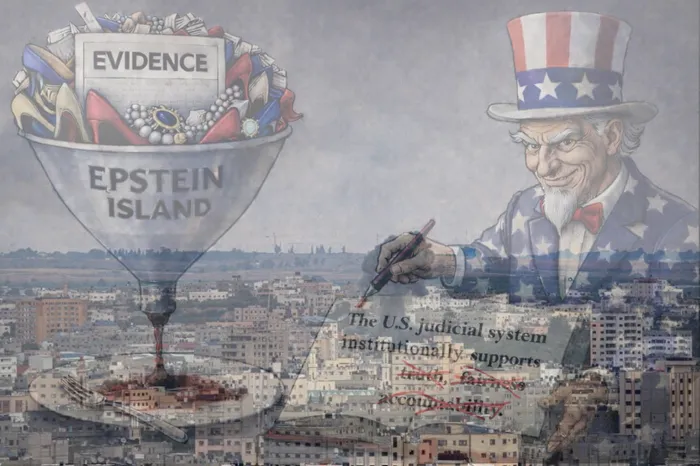
On Saturday, across many timezones, the world awakened to the news of the death of the Supreme leader of Iran, killed by Israeli missiles targeting his residence. The myth of sovereignty and international law, or better the selectivity of its application, in full force where do we turn. Pakistan and Afghanistan at war, as a result of border disputes. To many this sentiment rings loud, but a sinister sentiment ties this to a distraction from other grave issues, like the release of the Epstein files. Does the eruption of war risk deflecting attention from the unresolved truths of Epstein’s island? The jury is still out.
On Friday, warnings went out from the US to its citizens in Israel and China to its citizens in Iran, we were faced with evident signals of danger approaching the region. Through many diplomatic missions and negotiations, particularly considering ongoing peace talks between the US and Iran, conflict seemed inevitable.
Iran’s Oil Reserves
Iran’s vast oil reserves and its strategic position near the Strait of Hormuz have long placed the country at the center of global energy geopolitics. Tensions between the United States and Iran cannot be understood solely through the lens of nuclear proliferation or regional security. Instead, they point to a broader strategic ambition: maintaining influence over the world’s most critical energy resources. In this view, conflicts involving major oil-producing states are intertwined with efforts to secure access to energy markets and shape the global flow of petroleum.
Within this framework, Iran represents both a challenge and an opportunity in the struggle for energy influence. As one of the world’s largest oil holders and a key member of Organisation of the Petroleum Exporting Countries (OPEC), Iran’s ability to disrupt or influence energy markets makes it strategically significant. Critics argue that initiatives framed around “energy dominance” reflect a broader US effort to ensure that global oil supply remains aligned with American geopolitical interests, whether through alliances, sanctions, or military pressure. From this perspective, pressure on Iran fits into a wider pattern involving other oil-rich states such as Venezuela, Iraq, and Libya. These are all countries whose political trajectories have repeatedly intersected with the geopolitics of oil and control over critical energy resources.
Countries directly or indirectly affected or engaged diplomatically include (to date):
Iran United States Israel United Arab Emirates Qatar Kuwait Bahrain Oman Saudi Arabia Jordan Iraq Lebanon Cyprus United Kingdom France Germany
Pakistan and Afghanistan
The conflict between Pakistan and Afghanistan has intensified due to militant groups operating across the border, including networks linked to Al-Qaeda. Pakistan claims these groups have targeted its security forces and infrastructure, while the Taliban government in Afghanistan shelters some insurgents, complicating counterterrorism efforts and increasing the risk of direct clashes.
The escalation also carries regional implications. China, concerned about Xinjiang and security ties with Pakistan, has urged de-escalation, while the US monitors the situation closely due to tensions with Iran. Instability could either weaken militant networks or allow them to regroup, making the Pakistan-Afghanistan conflict a significant regional security challenge.
The Epstein Files
In periods of major geopolitical crisis, public attention often shifts rapidly. As conflict escalates between Iran, the US and Israel, a growing sentiment among some Americans suggests the war’s timing raises uncomfortable questions. Critics argue that the rapid shift toward war may be diverting public attention from renewed scrutiny surrounding the case of Jeffrey Epstein and the powerful network alleged to have been connected to abuses on his private island. The scandal, which has seen figures such as Bill Clinton, Prince Andrew and former US president Donald Trump appear in discussions surrounding the Epstein files, remains deeply controversial, particularly as many official documents remain heavily redacted.
Within this climate of mistrust, some commentators argue that large geopolitical crises can overshadow domestic scandals involving powerful elites. While such claims remain contested, the persistence of unanswered questions around Epstein’s network has fueled suspicions that global events may shift the public conversation away from unresolved issues of accountability and justice.
In a world increasingly defined by conflict, suspicion and competing narratives, the challenge before global society is not simply choosing sides, but preserving clarity of moral focus. The wars unfolding across the Middle East, Asia and beyond demand urgent diplomacy, restraint and leadership grounded in the shared interests of humanity. Yet these crises must not erase the pursuit of accountability in other arenas. Allegations surrounding influential figures linked to Jeffrey Epstein remain serious matters that require transparency and justice wherever evidence warrants it.
A world in tatters cannot afford selective memory; both war and wrongdoing must face scrutiny.
Ultimately, the measure of global leadership and citizenship lies in whether humanity can confront multiple crises at once, without allowing one to obscure the truth of another.
By:
Cole Jackson
Lead Associate, BRICS+ Consulting Group
Chinese & South America Specialist
**The Views expressed do not necessarily reflect the views of Independent Media or IOL.
** MORE ARTICLES ON OUR WEBSITE https://bricscg.com/ (https://bricscg.com/)
** Follow @ (https://x.com/brics_daily)brics_daily (https://x.com/brics_daily)on Twitter for daily BRICS+ updates and instagram @brics_daily (https://www.instagram.com/brics_daily?igsh=bmhvbTd0YzA4a2wx)