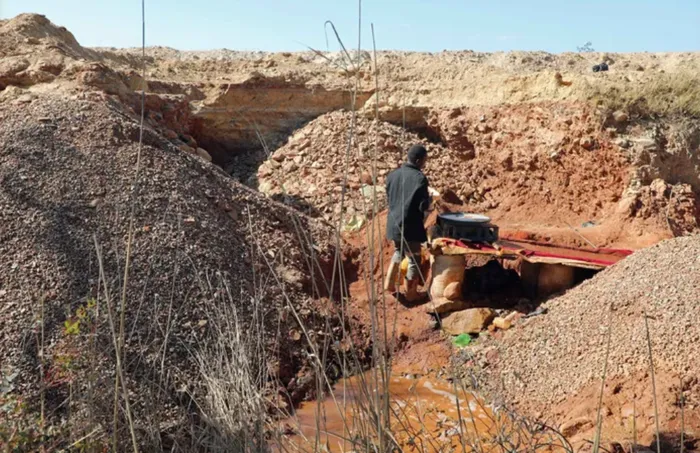



The structure of the offering is deliberate. By including 15 onshore blocks and 19 shallow-water blocks alongside 15 frontier assets and a deepwater opportunity, the Nigerian Upstream Petroleum Regulatory Commission has created a spectrum of risk and reward that can attract diverse investors. Onshore and shallow-water assets promise faster development timelines and lower capital intensity, appealing to Nigerian independents and mid-sized explorers. Frontier and deepwater zones, although riskier and more capital-heavy, carry long-term reserves potential capable of materially shifting the country’s upstream profile if discoveries are successful.
Why Nigeria needs this round now
Nigeria’s current licensing round is driven by an urgent need for fiscal stability. Despite ongoing economic diversification efforts, oil revenue remains crucial for government expenditure and foreign exchange. The country’s capacity to meet its OPEC+ obligations and maintain a steady export base has been hampered by production deficits, crude theft, pipeline sabotage, and delayed investment. Therefore, a successful licensing round is intended to function as both a fiscal boost and a clear indication to international investors that Nigeria is restoring confidence in its regulatory and operational framework.
Investor appetite and competitive pressures
While international oil companies (IOCs) are now more selective regarding West African investment, their interest is not entirely diminished. Despite some divestments from higher-security-risk onshore Niger Delta assets, deepwater and technically appealing opportunities remain attractive, provided the commercial terms are competitive. Evidence from recent Nigerian asset transactions and joint venture restructurings confirms that capital continues to flow when fiscal certainty and commercial clarity are present. The success of the current licensing round hinges on offering transparent fiscal terms, a bankable contractual structure, and a regulatory process that avoids the historical delays which have previously deterred investment.
Technical realities and production timelines
Nigeria’s production goals, particularly the addition of 400,000 barrels per day (bpd), are achievable but necessitate a multi-year timeframe due to technical realities. The full cycle of exploration, appraisal, financing, and field development typically requires three to ten years, with duration varying based on whether discoveries are onshore or in deepwater basins. Similarly, the projected $10 billion investment is a cumulative, multi-year figure spread across numerous operators, not an immediate capital injection. Blocks situated near established infrastructure, specifically existing export pipelines, flow stations, and processing hubs, offer the highest probability of rapid success, as they minimise development costs and logistical hurdles.
Persistent obstacles and structural risks
Despite the strategic licensing round, significant obstacles persist for Nigeria’s oil sector. The primary challenge remains the pervasive security issues in the Niger Delta, where crude theft and pipeline vandalism continue to severely impact investor confidence and drive up operating expenses. While government efforts and new infrastructure have succeeded in mitigating some losses, the underlying systemic risks are still present.
Furthermore, ensuring regulatory clarity is paramount. Although the Petroleum Industry Act has led to improvements in contract structures and cost-recovery mechanisms, the industry will be closely monitoring how effectively these reforms translate into transparent and efficient processes for licensing, approvals, and dispute resolution.
Finally, Nigeria faces stiff competition from global capital trends. With oil companies increasingly prioritizing fewer, high-return projects due to global decarbonization pressures, Nigeria must ensure its fiscal terms are highly competitive against attractive emerging opportunities in regions like Namibia, Guyana, and Brazil.
The path to a successful outcome
Despite these headwinds, Nigeria has levers that could shift outcomes favourably. If the government fast-tracks contracting timelines, ensures transparent award processes, strengthens security partnerships, and prioritises acreage with existing infrastructure, the investment environment could become substantially more attractive. In comparative terms, the most realistic success scenario is one where multiple onshore and shallow-water blocks reach production within three to six years, while frontier and deepwater blocks contribute larger reserve additions over the decade. This diversified output path aligns more realistically with the stated target of 400,000 bpd and positions Nigeria to regain its status as a reliable crude supplier.
A necessary but execution-dependent strategy
Nigeria’s 50-block licensing round is a necessary and strategically sound initiative aimed at revitalising the country’s upstream oil sector.
Its success, however, hinges on consistent execution, effective management of security challenges, and sustained regulatory predictability. Should the government meet these conditions, the licensing round has the potential to genuinely transform Nigeria’s oil production trajectory. Failure to do so, however, means the opportunity will likely remain merely aspirational, leaving the country to contend with the long-standing structural limitations of its oil industry.
Written By:
*Sesona Mdlokovana
Associate at BRICS+ Consulting Group
Africa Specialist
** MORE ARTICLES ON OUR WEBSITE https://bricscg.com/ (https://bricscg.com/)
** Follow https://x.com/brics_daily (https://x.com/brics_daily) on X/Twitter for daily BRICS+ updates