

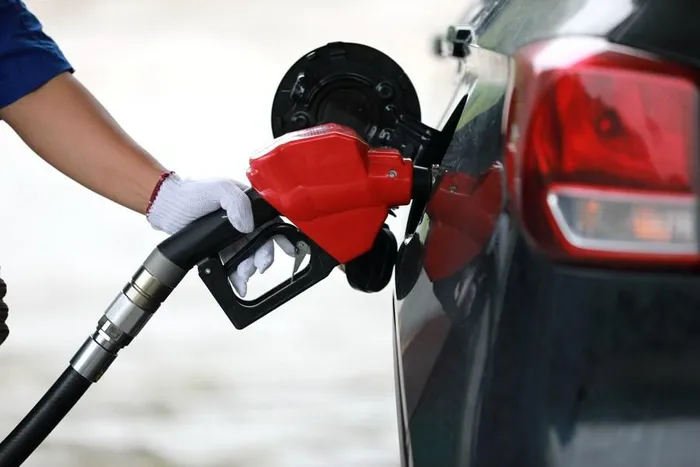
As the world enters 2026, the global oil market is facing a familiar but uncomfortable reality: there is simply too much oil. According to the International Energy Agency (IEA), global supply is expected to exceed demand by more than 4 million barrels per day in the first quarter of the year, one of the largest surpluses seen in recent years.
In simple terms, producers are pumping faster than the world can consume, and that imbalance is shaping everything from prices to investment decisions, especially for oil-dependent economies across Africa and the Global South.
Why the Oil Market Is Oversupplied
The current surplus did not appear overnight. It is the result of deliberate policy and production choices made over the past two years. After years of tight supply and coordinated production cuts, OPEC+ began increasing output in 2025, gradually returning barrels to the market. At the same time, non-OPEC producers, particularly the United States, Brazil, Guyana and Canada, continued to expand production aggressively.
The US remains the world’s largest oil producer, while new offshore projects in Latin America are adding fresh supply. Guyana, in particular, has emerged as a major growth story, producing far more oil than expected for a country of its size. This wave of supply growth has outpaced demand, even though global oil consumption is still rising.
Demand Is Growing — Just Not Fast Enough
The IEA now expects global oil demand to grow by around 930,000 barrels per day in 2026, slightly higher than earlier forecasts. This reflects a stabilising global economy after last year’s trade disruptions, as well as lower oil prices encouraging consumption.
Emerging markets, especially in Asia and parts of Africa, continue to drive demand growth. Transport, petrochemicals and power generation remain key sources of oil use, particularly in countries where alternatives remain costly or unreliable.
But demand growth is no longer explosive. Energy efficiency, electric vehicles, and policy pressure to reduce emissions are slowly changing consumption patterns. As a result, demand is rising — just not quickly enough to absorb the growing supply.
Geopolitics Isn’t Moving Prices Like It Used To
Normally, geopolitical tension would push oil prices sharply higher. But this time, the surplus is acting as a shock absorber.
Tensions involving Iran, disruptions to Venezuelan exports, and technical outages in Kazakhstan have all raised concerns. In Venezuela’s case, recent US actions have temporarily reduced exports by more than half a million barrels per day.
Yet prices have remained relatively calm. Brent crude is hovering in the mid-$60 per barrel range, supported by risk concerns but capped by the sheer volume of oil available globally. For now, traders know that even if one producer falters, others can fill the gap.
OPEC+ Hits Pause, But the Damage Is Done
Recognising the risk of pushing prices lower, OPEC+ has paused further output increases for the first quarter of 2026. This move is aimed at restoring some balance and preventing prices from slipping further.
However, pausing increases is not the same as cutting production. The surplus has already been built into the system, and global oil inventories continue to rise.
For oil-exporting countries, including several in Africa, this creates a difficult environment. Revenues become harder to predict, budget planning becomes riskier, and pressure mounts to diversify economies faster than planned.
What This Means for African Producers
For African oil producers like Nigeria, Angola, Libya and Ghana, the current market sends a clear message: volume alone is no longer enough.
Countries with higher production costs or infrastructure challenges are more exposed when prices are capped. At the same time, global investors are becoming more selective, favouring projects with low breakeven costs, strong governance and clear long-term strategies.
This environment strengthens the case for:
Faster downstream development (refining and petrochemicals)
Smarter use of oil revenues for industrialisation
Stronger regional energy trade within Africa
It also reinforces the importance of gas, which continues to play a central role in energy security and industrial growth across the continent.
Looking Ahead: Stability, Not Strength
The oil market in 2026 is not collapsing but it is not tightening either. The outlook points to stable but pressured prices, driven more by supply management than demand strength.
Unless there is a major geopolitical shock or coordinated production cuts, prices are likely to remain range-bound. For governments and businesses, this is a period that demands discipline, realism and long-term planning, rather than short-term optimism.
In many ways, the current surplus is a warning. The era of easy oil windfalls is fading, and those who adapt early, especially in Africa will be better positioned for what comes next.
Written by:
Chloe Maluleke
Associate at BRICS+ Consulting Group
Russian & Middle Eastern Specialist
**The Views expressed do not necessarily reflect the views of Independent Media or IOL.