
What the exit changes and what it does not
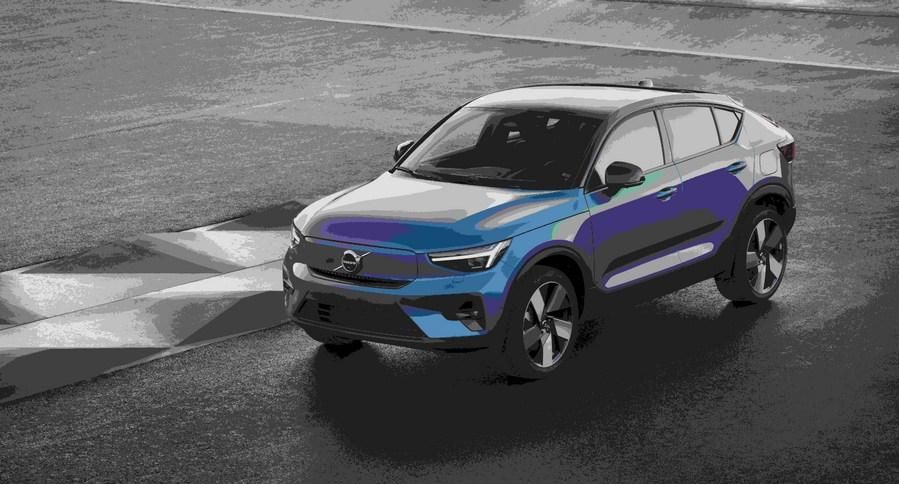
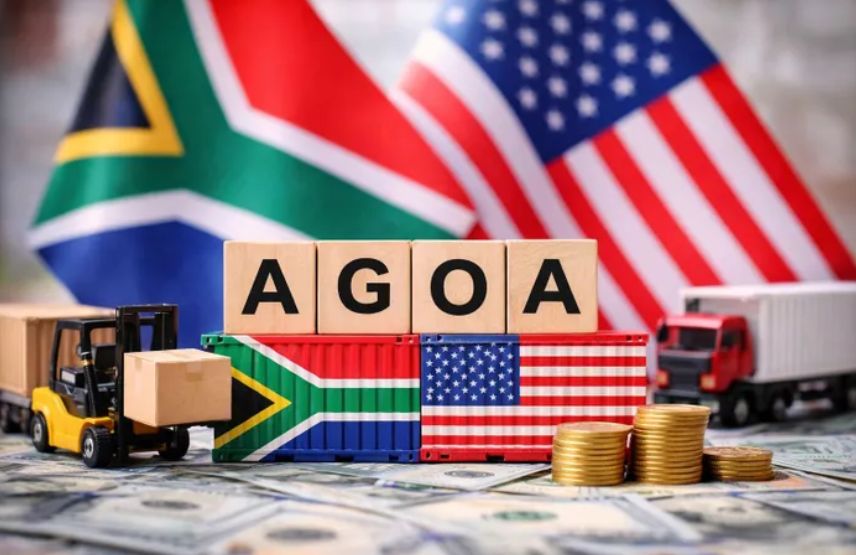
Automotive was the heart of South Africa’s AGOA trade. In 2024 vehicles and components made up 64 percent of it, worth R28.6 billion, including 24,681 vehicles. Yet the preference had already been hollowed out. A 25 percent Section 232 tariff hit vehicles on 3 April 2025 and components a month later, and it applies whatever AGOA says. naamsa reports that vehicle exports to the US then fell 83.2 percent, from 24,682 units in 2024 to 4,136 in 2025.
Total vehicle exports still hit a record 414,268 units in 2025, so other markets took up much of the slack. Daily Maverick’s reporting this week concludes the exclusion is unlikely to affect the automotive industry much, with agriculture and agroprocessing more exposed. The loss that does matter is a foothold. AGOA membership was one possible channel for negotiating relief on the 232 tariff, and that is my reading, not something the sources state.
A decade of standing still
The RMI leans on NAACAM’s figures. The Automotive Masterplan set a target of 48.2 percent local content by 2025, worth about R101 billion. Actual local content was 39 percent, against 38.7 percent in 2015. That is ten years without real movement, long before AGOA was in doubt.
The RMI explains part of the reason itself. Commercial vehicle sales, 25,139 medium, heavy and extra-heavy trucks and buses in the first nine months of 2026, up 8.5 percent, are spread across many makers and platforms. The volumes will not justify local engines, drivelines or cabs for each brand.
What the RMI proposes
Its answer is to localise across the vehicle’s whole life instead of only at assembly. That means remanufacturing engines, turbochargers and fuel injection systems, building truck bodies, trailers and specialised vehicles, and producing components shared across brands. The Localisation Support Fund’s EY study values the aftermarket at about R106 billion and points to batteries, automotive glass and brake friction products. Skills are the constraint. The RMI says qualified artisans in key trades fell by as much as 8.3 percent between 2019 and 2023, and a new automotive machinist qualification is being piloted at Golden Arrow in the Western Cape.
These activities build on existing capability and need less capital than new plants. Two cautions apply. The RMI represents remanufacturers and bodybuilders, so asks such as treating remanufacturing as manufacturing, favouring local suppliers in public fleet procurement and reviewing ready-built vehicle imports also serve its members. And none of this replaces the export volume lost in the US. Lifecycle localisation protects jobs at home, but it will not fill a gap in the order book.
What to watch
The US decision does not take effect for 60 days, and AGOA leaves eligibility to the president, who need only notify Congress. Senior Democrats on three committees have urged talks with Pretoria before the date. The sharper test for the car industry is the Section 232 tariff and whether the dtic’s automotive policy review gives commercial vehicles a place. If local content is still near 39 percent when the next review arrives, the lesson will be about policy design and not about AGOA.
Written by:
*Dr Iqbal Survé
Past chairman of the BRICS Business Council and co-chairman of the BRICS Media Forum and the BRNN
*Sesona Mdlokovana
Associate at BRICS+ Consulting Group
Africa Specialist
**The Views expressed do not necessarily reflect the views of Independent Media or IOL.
** MORE ARTICLES ON OUR WEBSITE https://bricscg.com/ (https://bricscg.com/)
** Follow @ (https://x.com/brics_daily)brics_daily (https://x.com/brics_daily)on Twitter for daily BRICS+ updates and instagram @brics_daily (https://www.instagram.com/brics_daily?igsh=bmhvbTd0YzA4a2wx)