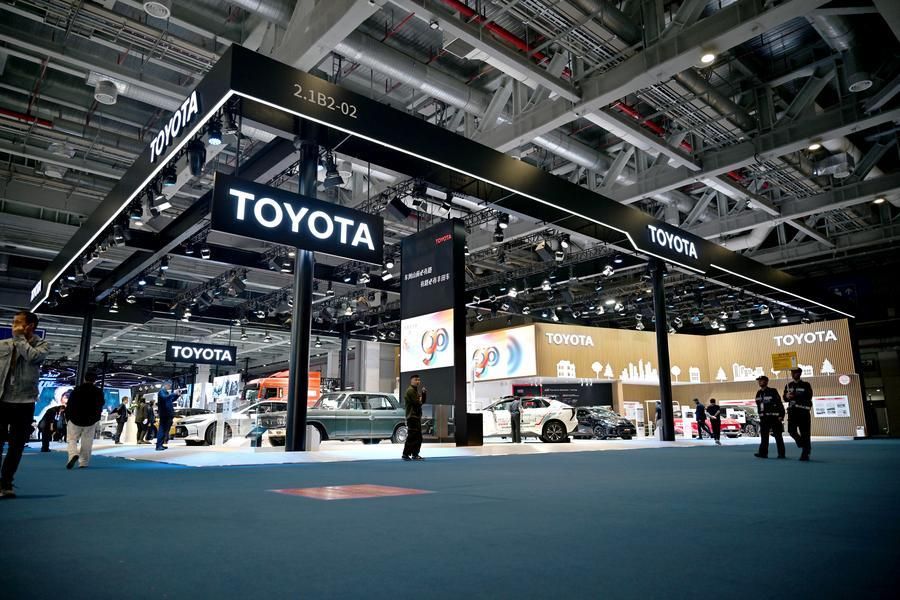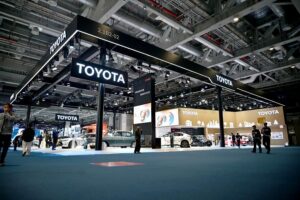

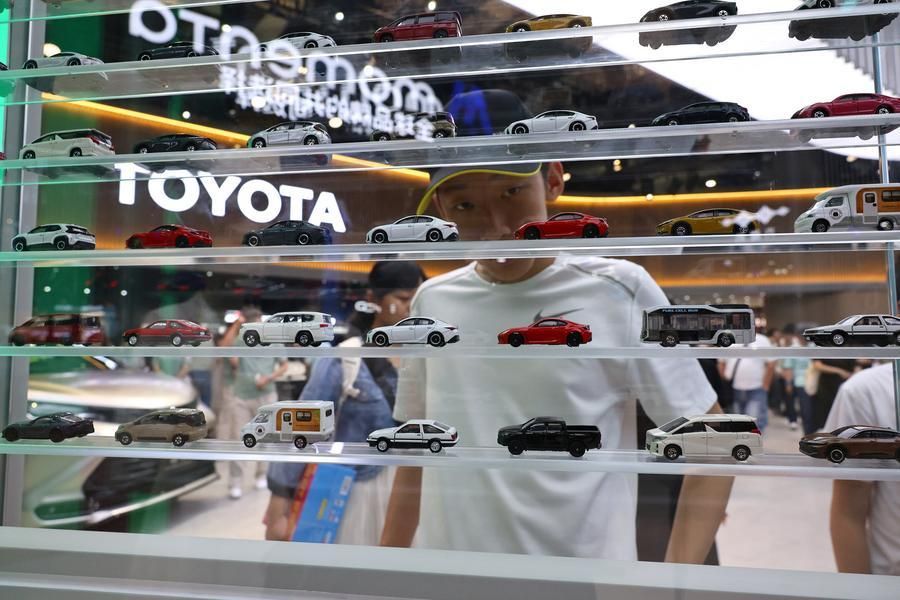
There’s a number worth sitting with: automakers have absorbed more than $35 billion in US tariff costs since 2025, and Japan’s six largest carmakers alone are on track for a combined $40 billion hit by March 2027. Toyota’s share of that bill runs to roughly $9.1 billion for its current fiscal year, the single largest tariff exposure of any manufacturer, from a company that built its entire postwar identity on lean, cost-disciplined manufacturing. When the most efficient carmaker on the planet is eating a nine-figure-a-month tariff bill, it’s a sign the industry has hit a cost problem no amount of internal efficiency can absorb.
What makes this moment different from prior trade disputes is that the pain isn’t concentrated in one place. Detroit’s Big Three took a collective $6.5 billion hit in 2025. BMW, Honda, Hyundai-Kia, Mazda, Mercedes-Benz, Nissan, Subaru and Volkswagen are each separately looking at bills north of $1 billion. Nissan alone expects $3.1 billion in tariff expense this year, which is part of why it retooled its Mississippi plant away from EV production and back toward trucks, a decision that’s as much an admission about tariff economics as it is about slowing EV demand. When essentially every major global manufacturer is bleeding from the same wound, "just build more locally" stops being a simple fix, because local supply chains for batteries, chips, and specialty components don’t relocate on a tariff’s timeline.
That’s the part getting underappreciated: US tariffs apply not just to finished vehicles but to parts and components too, which means the tightly integrated US-Canada-Mexico supply web that automakers spent three decades building is now a liability rather than an asset. A single vehicle can cross the border several times during assembly under that model, and every crossing is now a potential tariff event. Unwinding that kind of integration isn’t a quarterly decision, it’s a multi-year, multi-billion-dollar redesign of how the industry sources parts, and nobody has fully committed to it yet because nobody’s sure the tariffs are permanent.
Governments are responding in ways that reveal how differently each sees its own leverage. South Korea is going on offense, lifting EV subsidies by 20% for 2026, to roughly $658 million, specifically to keep domestic demand propped up while Hyundai and Kia absorb a US tariff that’s supposed to have dropped to 15% but hasn’t actually been formalised in writing weeks after being announced. That gap between a political handshake and an actual signed fact sheet is its own small case study in how much uncertainty companies are being asked to plan around even when a "deal" is supposedly done.
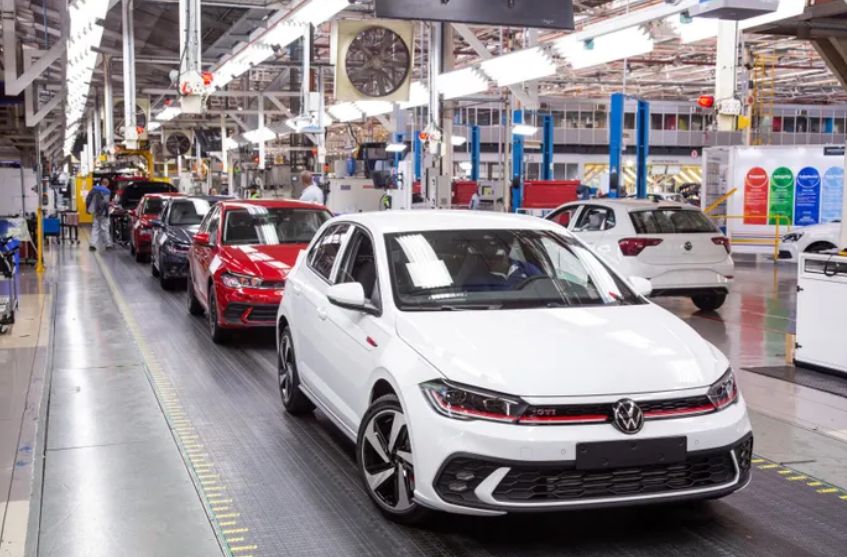
Meanwhile the EU has taken the opposite approach with China, layering countervailing duties on Chinese battery electric vehicles that have kept their share of EU EV sales under 20%, while quietly building in an escape hatch: since February, Chinese manufacturers have had the option to file minimum-price undertakings instead of paying duties outright, with Volkswagen’s China joint venture the first to take that route. It’s a tariff wall with a negotiated side door, and it suggests European regulators are less interested in blocking Chinese EVs outright than in controlling the price at which they compete.
Put all of this together and the shape of the next few years comes into focus: automakers aren’t waiting for tariff clarity anymore, because clarity isn’t coming. They’re building parallel strategies, regional production hedges, subsidy-cushioned domestic demand, negotiated pricing floors, designed to survive in a world where trade policy is the variable that changes fastest and matters most. The EV transition was supposed to be the industry’s defining challenge this decade. Increasingly, it’s trade policy that’s writing the actual playbook.
Written by:
*Chloe Maluleke
Associate at BRICS+ Consulting Group
Russia & Middle East Specialist
**The Views expressed do not necessarily reflect the views of Independent Media or IOL.
** MORE ARTICLES ON OUR WEBSITE https://bricscg.com/ (https://bricscg.com/)
** Follow @ (https://x.com/brics_daily)brics_daily (https://x.com/brics_daily)on Twitter for daily BRICS+ updates and instagram @brics_daily (https://www.instagram.com/brics_daily?igsh=bmhvbTd0YzA4a2wx)