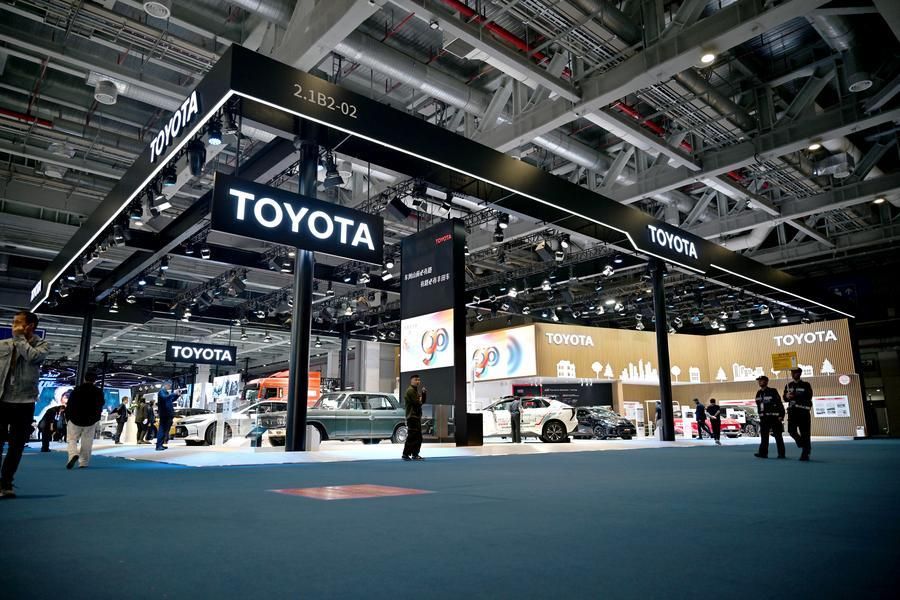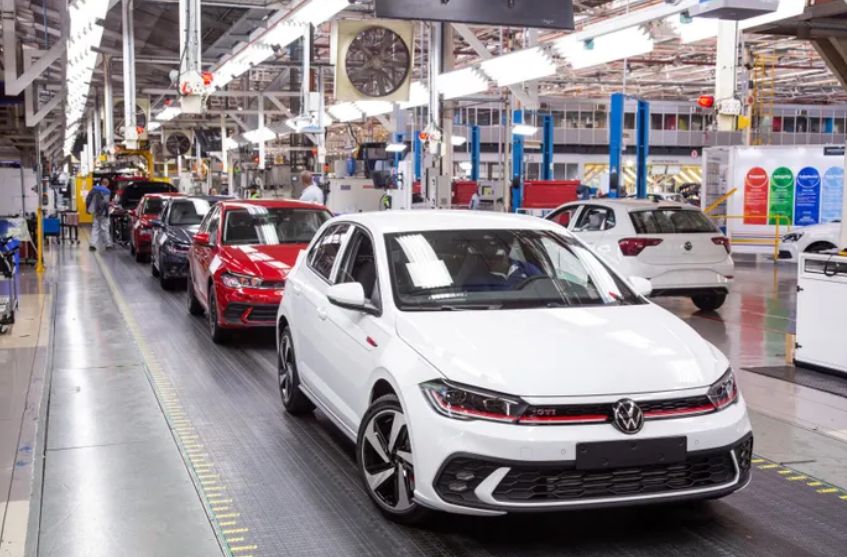

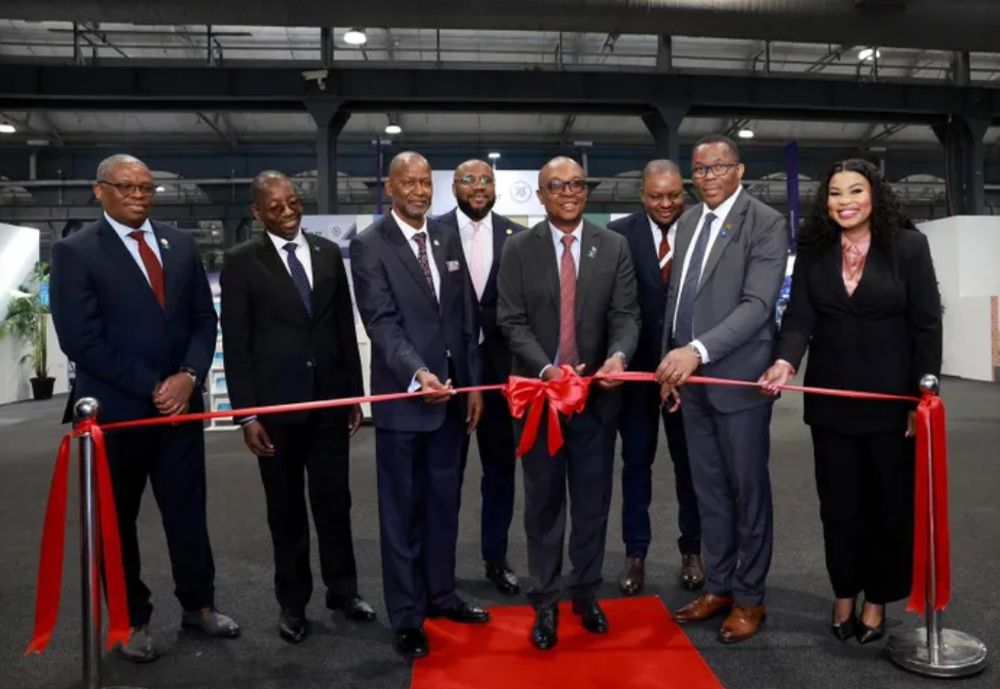
This week, Durban hosted the 9th SADC Industrialisation Week, and on paper it reads like fairly standard regional-summit fare, where government leaders, business delegates and investors gather at the Durban International Convention Centre for five days of panels and exhibition stands. But the theme organisers chose this year, industrialisation built around infrastructure, agriculture and critical minerals, lands right in the middle of one of the most consequential economic fights happening on the continent right now: who gets to process Africa’s minerals, and where.
The keynote said the quiet part out loud
Trade Minister Parks Tau used his opening address to push the region to stop exporting raw materials and start investing in beneficiation, advanced manufacturing and regional value chains. That’s not just a talking point, it’s the exact debate playing out across the continent this year. Just two weeks before Durban’s event, African ministers gathered in Abidjan for a similar forum hosted by the African Development Bank, where the message was nearly identical: Africa holds around 30% of the world’s most critical mineral deposits, cobalt, lithium, graphite, rare earths, platinum group metals and more, yet continues to export most of it unprocessed, capturing only a sliver of the value. The frustration is the same everywhere: raw ore leaves the continent, gets refined elsewhere, and the profits stay elsewhere too.
Why SADC specifically matters here
SADC’s position is interesting because it sits at the geographic center of the answer. The Democratic Republic of Congo and Zambia have cobalt and copper. Zimbabwe has some of the continent’s most significant lithium deposits. South Africa has the one thing most of its neighbours don’t: established chemical processing infrastructure, research institutions and a partially developed battery-materials industry. No single SADC country has the full package of the mines, energy, transport, processing capacity and finance needed to turn raw minerals into finished battery-grade products alone. That’s precisely the gap regional value chains are meant to close, and it’s why "regional integration" keeps showing up as the answer in almost every recent African minerals strategy paper, not just this week’s Durban agenda.
The AfCFTA connection
The African Continental Free Trade Area is the mechanism most analysts point to as the thing that could actually make this work. It creates a market of over 1.3 billion people and is projected to boost intra-African mineral exports by around 6% by 2035, mainly by letting minerals move tariff-free between countries, say, cobalt mined in the DRC processed in a South African facility, rather than each country trying to build a complete, isolated processing industry of its own.
This weeks take away
The real test of Durban’s Industrialisation Week isn’t the exhibition stands or the opening ceremony. Rather it’s whether the infrastructure, agriculture and critical minerals panels produce anything more concrete than the ones in Abidjan two weeks ago. Africa has had no shortage of ministerial statements calling for beneficiation over the past year. What it’s had much less of is actual cross-border investment translating those statements into functioning regional supply chains. If Durban manages to convert conference-room consensus into signed deals, it’ll matter. If it doesn’t, it joins a growing pile of forums saying the same thing to each other.
Written by:
*Chloe Maluleke
Associate at BRICS+ Consulting Group
Russia & Middle East Specialist
**The Views expressed do not necessarily reflect the views of Independent Media or IOL.
** MORE ARTICLES ON OUR WEBSITE https://bricscg.com/ (https://bricscg.com/)
** Follow @ (https://x.com/brics_daily)brics_daily (https://x.com/brics_daily)on Twitter for daily BRICS+ updates and instagram @brics_daily (https://www.instagram.com/brics_daily?igsh=bmhvbTd0YzA4a2wx)