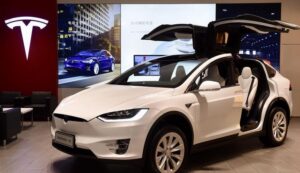

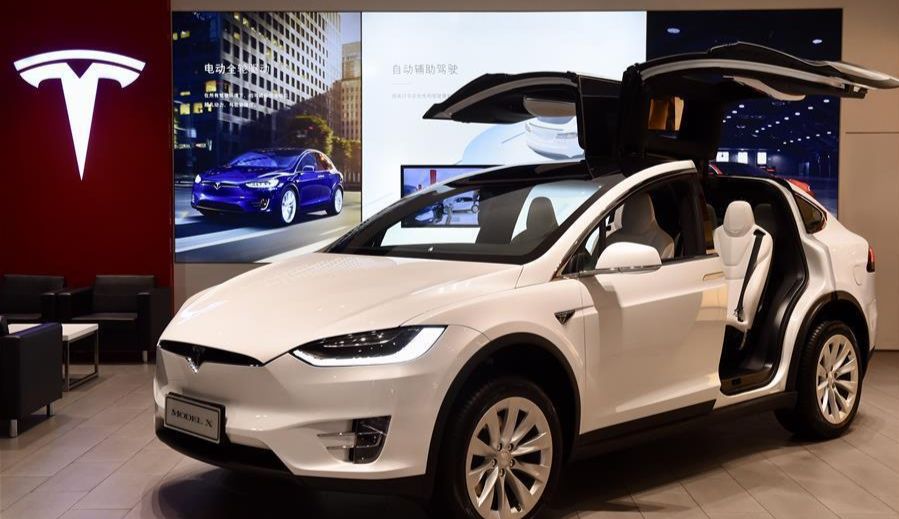
Tesla has finally moved its long-promised robotaxi from concept to pavement. On September 3, the company began offering rides in its two-seat Cybercab within limited parts of Austin, Texas, a vehicle built without a steering wheel or pedals, relying entirely on its self-driving software. The US National Highway Traffic Safety Administration confirmed it is monitoring the rollout, a signal that federal regulators are treating the deployment as more than routine.
A Low-Key Debut After Months of Hype
The launch capped weeks of build-up. Tesla had teased the event since late August, running a sweepstakes that offered fans a chance to win an invitation and building anticipation around what it billed as an "Exclusive Access" gathering at its Austin operations. Riders who had logged trips on Tesla’s existing Robotaxi service were reportedly prioritized for invites, and the company promised a livestream for those who couldn’t attend in person.
Despite the promotion, the event itself was brief. CEO Elon Musk did not appear, and presentations covering pricing, manufacturing, and technology reportedly lasted only about fifteen minutes. Tesla AI chief Ashok Elluswamy told attendees the ride-hailing option would be open to the public, and the company’s robotaxi website was updated to note that Cybercab rides were available only in select areas of Austin. Executives described plans for dynamic, demand-based pricing but did not specify when fares would actually begin.
The Cybercab is central to Musk’s vision of transforming Tesla from a car manufacturer into a dominant force in autonomous transportation. Musk has described it as the first Tesla vehicle purpose-built for full self-driving without human oversight, running on the company’s AI4 computing hardware. Unlike Tesla’s existing robotaxi service, which uses modified Model Y vehicles, some still equipped with human safety monitors, the Cybercab has no manual controls to fall back on at all.
Production reportedly began at Gigafactory Texas earlier this year, though Musk cautioned in the spring that early output would ramp slowly. Coverage in the run-up to launch suggested Tesla intended to deploy the vehicle at meaningful scale quickly, with some riders potentially able to book Cybercab trips through the existing Robotaxi app within days of the event.
Regulatory Gray Zone
The bigger question hanging over the launch is regulatory approval. Federal rules generally require vehicles to have human controls, and there are caps on how many steering-wheel-free vehicles any single manufacturer can sell without special exemption, though established automakers can deploy unlimited units for testing purposes. Tesla has not obtained permits to operate a driverless robotaxi service, or even to test one without a safety driver, in California, one of its largest potential markets. NHTSA’s statement that it is "in contact with Tesla and evaluating the situation" leaves open how much latitude the agency will give the rollout as it expands beyond Austin.
Texas state registration data illustrates how early-stage the deployment still is: Tesla had roughly 420 autonomous vehicles registered in the state as of the days before launch, including around 45 Cybercabs, alongside its existing modified Model Y fleet, some of which have already logged more than 380,000 unsupervised miles without a reported major incident, according to figures Tesla has disclosed. That trails Waymo’s nearly 1,000 registered vehicles in Texas by a wide margin, underscoring that Alphabet’s autonomous unit remains the market leader even as Tesla accelerates its own push.
Growing Pains on the Ground
Real-world testing has exposed some rough edges in Tesla’s broader robotaxi service. Riders in Dallas reported long wait times and, in some cases, no available vehicles at all; on multiple occasions, robotaxis reportedly dropped passengers roughly a fifteen-minute walk from their intended downtown destinations rather than delivering them directly. Whether the Cybercab’s dedicated hardware improves on these service gaps, or simply inherits them, remains to be seen.
High Stakes for Tesla’s Valuation
The company’s ambitions extend well beyond ride-hailing. Musk has said the Cybercab will eventually become Tesla’s highest-volume vehicle, sold to private owners for a price reportedly targeted around $25,000 to $30,000, with an option for individual buyers to add their cars to Tesla’s managed robotaxi network when not in personal use. Analysts widely view autonomous driving as central to justifying Tesla’s roughly $1.4 trillion market valuation, a figure well above any other automaker, at a time when its core EV business faces intensifying competition from Chinese manufacturers. Whether the Austin rollout can scale smoothly, and whether regulators let it, may determine how much of that bet pays off.
Written by:
*Chloe Maluleke
Associate at BRICS+ Consulting Group
Russia & Middle East Specialist
**The Views expressed do not necessarily reflect the views of Independent Media or IOL.
** MORE ARTICLES ON OUR WEBSITE https://bricscg.com/ (https://bricscg.com/)
** Follow @ (https://x.com/brics_daily)brics_daily (https://x.com/brics_daily)on Twitter for daily BRICS+ updates and instagram @brics_daily (https://www.instagram.com/brics_daily?igsh=bmhvbTd0YzA4a2wx)