The world today is very different from what many of us know. Technological advances have not only transformed economies and industries but have also altered the way people understand events, engage with politics and participate in society. The rise of digital platforms has accelerated the flow of information across borders, creating a world where ideas, movements and opinions can spread almost instantaneously. As a result, global society is being reshaped by new forms of communication that are redefining power, influence and public participation.
The End of the Single Narrative
For much of modern history, information flowed through a relatively small number of institutions. Governments, broadcasters and major media organisations largely determined which stories reached the public and how those stories were presented. While this system provided structure, it also concentrated influence in the hands of a few powerful gatekeepers.
Today, algorithms have disrupted that model. Although often viewed as simple tools that recommend content, algorithms are highly adaptive systems that continuously respond to public interest and behavioural patterns. Social media has become increasingly fragmented, producing multiple information streams rather than a single dominant narrative. Information now moves faster than traditional institutions can often manage, creating an environment where competing perspectives can emerge and gain traction almost immediately.
Global Activism at the Touch of a Button
The rise of digital connectivity has dramatically altered how people organise and mobilise. In previous decades, large-scale protest movements required extensive planning, funding and physical coordination. Today, campaigns can gain international support within hours through social media platforms and digital networks.
This increased connectivity has brought people closer together across geographic and cultural boundaries. Local issues can rapidly become global concerns, attracting support from individuals who may never physically visit the affected communities. Digital activism has created new opportunities for citizens to challenge authority, advocate for change and participate in international conversations in ways that were previously unimaginable.
History Revisited in the Information Age
One of the most significant consequences of expanded access to information is the re-examination of history itself. In the past, historical narratives were often shaped by those who held political, economic or institutional power. Alternative perspectives frequently struggled to gain visibility.
Today, vast amounts of information are accessible online, allowing citizens, researchers and communities to revisit historical events with fresh perspectives. Figures once celebrated without question are increasingly scrutinised, while overlooked voices are gaining recognition. This does not necessarily produce consensus, but it does encourage broader public engagement with history and a more nuanced understanding of the past.
The Persistent Challenge of Disinformation
Despite the benefits of wider access to information, the digital era has also amplified the spread of misinformation and disinformation. False narratives circulate as quickly as verified facts, often creating confusion and deepening social divisions.
The challenge facing modern society is no longer simply obtaining information; it is determining which information can be trusted. As artificial intelligence, digital media and online platforms become more sophisticated, critical thinking and media literacy will become increasingly important tools for navigating public discourse. The battle for truth is likely to become one of the defining issues of the twenty-first century.
Shifting Global Sentiment in a Multipolar World
Perhaps the most significant consequence of the information revolution is the changing perception of power itself. For decades, dominant political and economic narratives were largely shaped by a handful of powerful states and institutions. Today, however, people have access to a broader range of perspectives, allowing them to question assumptions that were once rarely challenged.
Recent events involving Iran provide a clear example. Many observers believed that overwhelming American military and economic power would decisively determine outcomes in any confrontation with Iran. Yet developments on the ground have demonstrated the limits of conventional assumptions about power and influence. The result has been a reassessment of the effectiveness of military force, the resilience of nations under pressure, and the complexity of modern geopolitical conflicts.
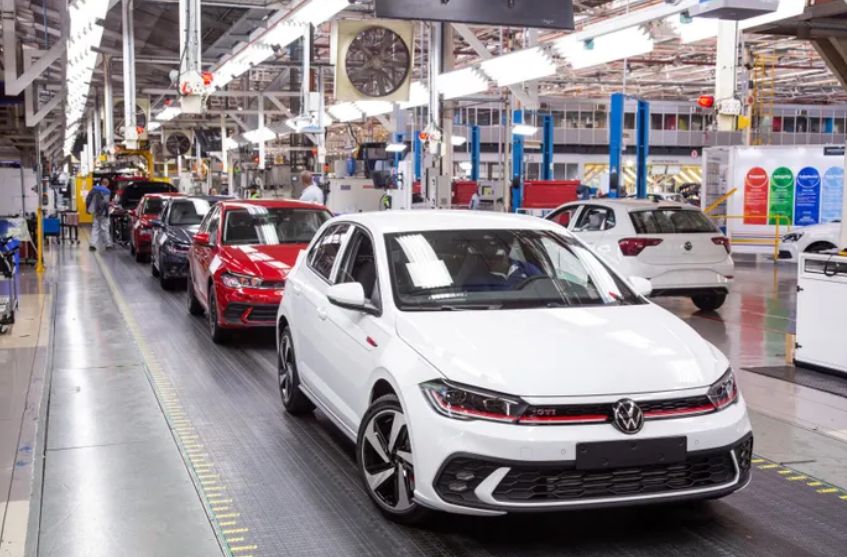
Europe faces its own set of challenges. The continent continues to navigate the economic consequences of Brexit while balancing energy security concerns, including its reliance on Russian gas a countr they perpetually try to regulate. At the same time, European industries face growing competition from China’s rapidly expanding automotive sector and broader manufacturing capabilities. These pressures have compelled policymakers and businesses alike to reconsider long-held economic strategies.
In South America and the Caribbean, public awareness of international power dynamics is also evolving. Many citizens and governments are becoming increasingly critical of what they regard as decades of external interference and economic pressure, particularly towards countries such as Cuba. Access to alternative sources of information has enabled broader debate around sanctions, sovereignty, development and the unequal application of international norms.
What is emerging is not necessarily consensus, but greater scrutiny. Investors, consumers and citizens are increasingly forming opinions based on multiple sources of information rather than accepting a single dominant narrative. Sentiment is changing across societies as people reassess old assumptions and engage with competing interpretations of global events.
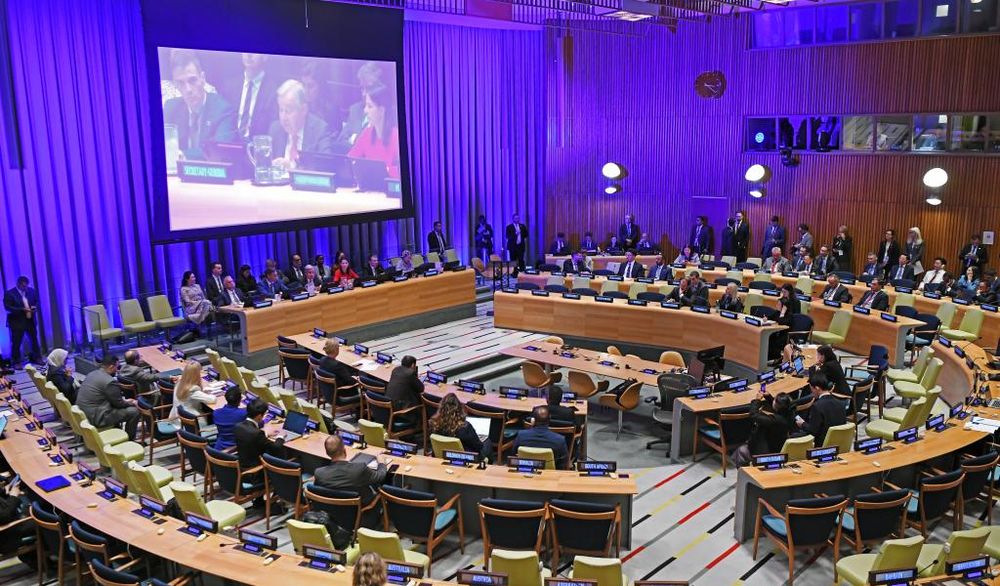
This shift reflects a broader transition towards a more multipolar world; not only in economic and geopolitical terms, but also in the realm of information itself. No single country, institution or media ecosystem can command the level of influence it once enjoyed. The global conversation has become more diverse, more contested and, ultimately, more inclusive.
A Future Defined by Connectivity
The future of global society will be shaped by how effectively individuals, institutions and governments adapt to this new information environment. Algorithms will continue to evolve, technologies will become more advanced and public participation in global conversations will likely expand further.
While challenges such as disinformation remain significant, the broader trend points towards a more connected and engaged world. Information is no longer the exclusive domain of a select few. As citizens gain greater access to competing viewpoints and new forms of communication, they are becoming active participants in shaping the future rather than passive recipients of information. The emergence of this new global consciousness may ultimately prove to be one of the most significant transformations of our time.
Written by:
*Cole Jackson
*Director of International Relations
Sekunjalo Group Africa Holdings
**The Views expressed do not necessarily reflect the views of Independent Media or IOL.
** MORE ARTICLES ON OUR WEBSITE https://bricscg.com/
** Follow @ (https://x.com/brics_daily)brics_daily (https://x.com/brics_daily)on Twitter for daily BRICS+ updates and instagram @brics_daily (https://www.instagram.com/brics_daily?igsh=bmhvbTd0YzA4a2wx)