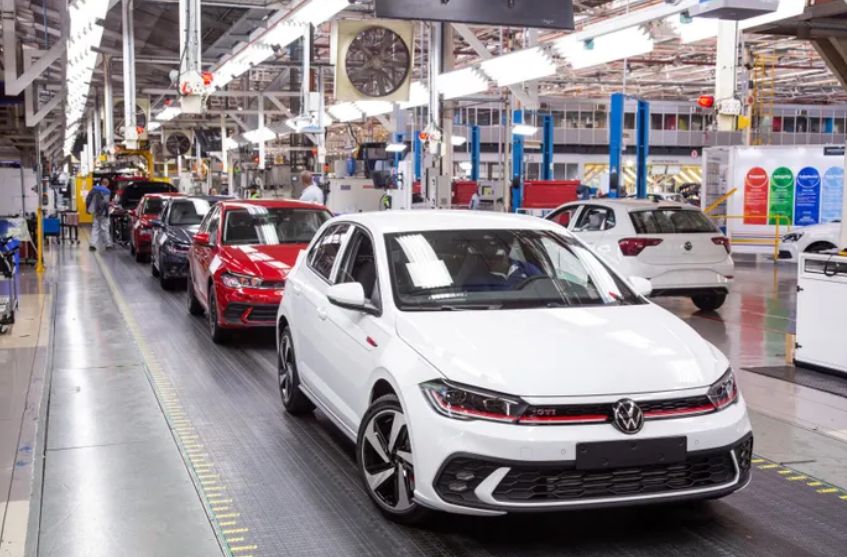

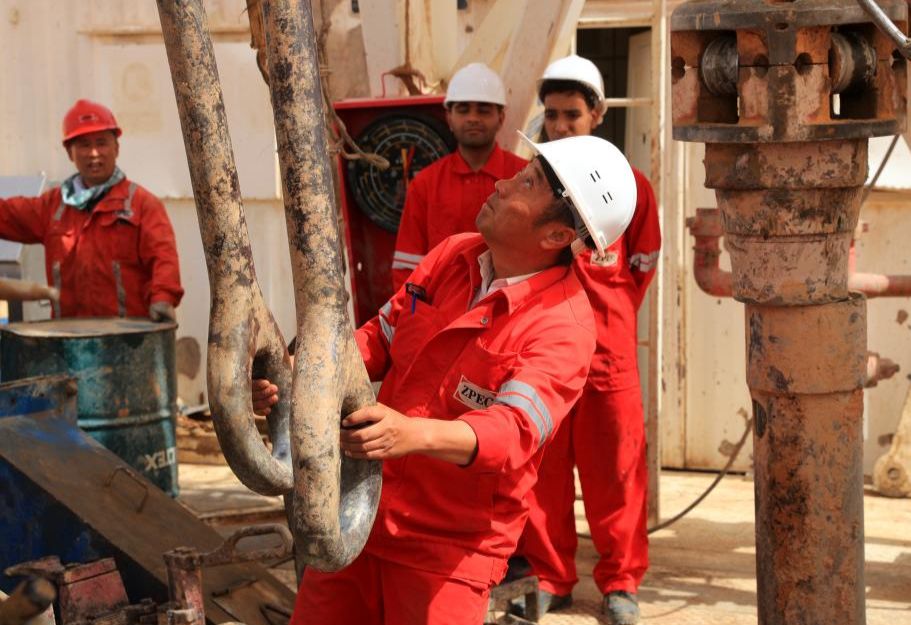
Egypt’s engineering sector has quietly become one of the country’s export success stories, and now officials want to turn that momentum into something much bigger. The government’s target: push engineering exports from roughly $6.5 billion in 2025 to $13 billion by 2030, effectively doubling the sector’s footprint on global markets within five years.
The plan comes out of a joint effort between the Export Development Fund and the Engineering Export Council of Egypt, whose leaders met recently to map out how the country will get there. Rather than a single headline policy, what emerged looks more like a wide-ranging overhaul of how Egypt supports the companies that make and ship engineering products abroad.
Rebuilding the Support System
At the center of the plan is a rethink of how the state backs its exporters. Hatem El-Nawawy, who heads the Export Development Fund, said the new approach is meant to go beyond simply handing out financial incentives. Instead, the fund wants to help manufacturers get export-ready from the ground up, meeting international compliance standards, building the operational capacity to scale up production, and generally becoming more competitive once their goods hit foreign shelves.
That shift also means modernising the bureaucratic side of exporting. Officials are pushing to digitize export procedures, cut down the friction of dealing with government paperwork, and make the whole process of coordinating with exporters faster and less cumbersome. For manufacturers who’ve long complained about red tape slowing down shipments, that piece of the roadmap may end up mattering as much as any subsidy.
Leaning on Trade Deals Already on the Books
Egypt isn’t planning to build all of this from scratch, a lot of the strategy leans on trade agreements the country has already signed. Officials want to make fuller use of the African Continental Free Trade Area, which opens access to a market of more than a billion people, along with the MERCOSUR agreement covering South America’s largest economies.
Sherif El-Sayyad, who chairs the Engineering Export Council, has been vocal about Africa and South America being key to hitting the 2030 number, since neither region has historically been a dominant destination for Egyptian engineering goods compared to established markets in Europe and the Gulf. Deepening those two trade relationships would give Egyptian manufacturers a meaningfully bigger playing field.
The strategy also calls for weaving Egyptian companies more tightly into global supply chains, growing local production of components rather than relying on imported parts, and shifting the export mix toward higher value-added goods, the kind of products that earn more per unit and are harder for lower-cost competitors to replicate.
A Sector Already on a Growth Streak
The ambition doesn’t come out of nowhere. Egypt’s engineering exports have been on a consistent upward run for the past two years. The sector posted a record $3.1 billion in the first half of 2025 alone, and full-year 2025 figures came in strong across the board, with electrical and electronic products, machinery, and transportation equipment all posting double-digit growth. Early 2026 data suggests the pace hasn’t slowed, El-Sayyad has pointed to nearly 20% year-on-year growth in the sector during the first four months of this year.
That track record is part of why officials feel confident the 2030 target is realistic rather than aspirational. Growth has been broad-based, spanning cables, automotive components, home appliances, and industrial machinery, with demand climbing not just from traditional partners in Europe but also from Gulf Cooperation Council states, African markets like Nigeria and Kenya, and even more distant destinations including the United States and China.
Industry officials have also framed the sector as one of seven priority industries under Egypt’s Industrial Strategy 2030, giving it a formal seat at the table alongside the country’s broader industrial diversification push.
Part of a Much Bigger Export Push
The engineering target isn’t standing alone, it’s one piece of a considerably larger export ambition. El-Sayyad has tied the sector’s $13 billion goal directly to the government’s overarching aim of pushing Egypt’s total exports to $100 billion by 2030, a figure that would represent a dramatic jump from where the country’s export economy sits today.
Whether Egypt hits either number will depend on plenty of factors outside any single ministry’s control, global demand, currency stability, and competition from other manufacturing hubs chief among them. But with a support system overhaul now in motion and a sector that’s already been outperforming expectations, officials in Cairo clearly believe the pieces are falling into place for engineering to become one of the anchors of the country’s export economy over the next five years.
Written by:
*Dr Iqbal Survé
Past chairman of the BRICS Business Council and co-chairman of the BRICS Media Forum and the BRNN
*Chloe Maluleke
Associate at BRICS+ Consulting Group
Russia & Middle East Specialist
**The Views expressed do not necessarily reflect the views of Independent Media or IOL.
** MORE ARTICLES ON OUR WEBSITE https://bricscg.com/ (https://bricscg.com/)
** Follow @ (https://x.com/brics_daily)brics_daily (https://x.com/brics_daily)on Twitter for daily BRICS+ updates and instagram @brics_daily (https://www.instagram.com/brics_daily?igsh=bmhvbTd0YzA4a2wx)