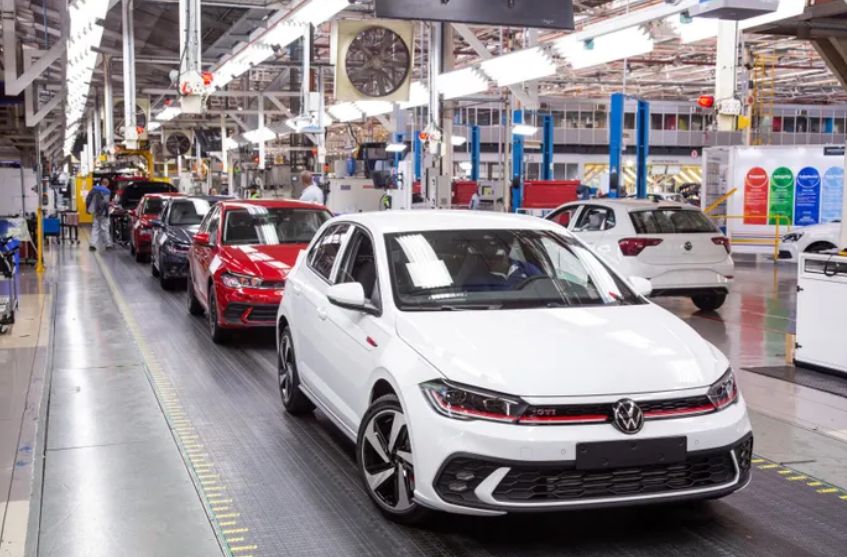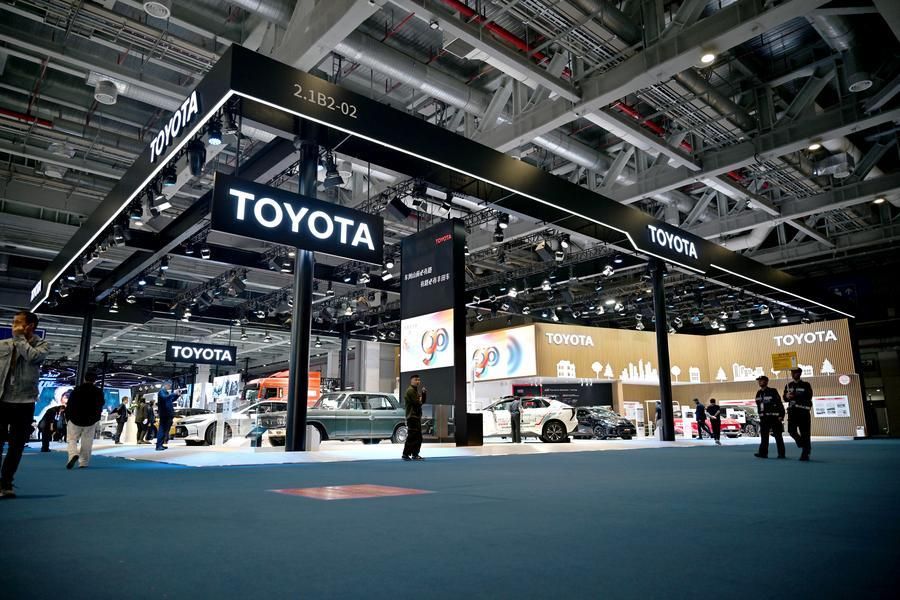


South Africa is once again positioning itself as an investment gateway to Africa. The 2nd International Special Economic Zones (SEZs) Infrastructure and Investment Conference, held in Durban, has brought together more than 1,000 delegates, including policymakers, investors, development finance institutions and industry leaders, to discuss how Special Economic Zones can accelerate industrialisation and attract new investment. The conference forms part of government’s broader strategy to reignite manufacturing, create jobs and strengthen South Africa’s role in regional trade.
While conferences often generate headlines, this one carries greater significance. At a time when many developing economies are competing for foreign direct investment, South Africa is attempting to demonstrate that its industrial zones can compete with established manufacturing hubs in Asia and the Middle East.
Why Special Economic Zones matter
Special Economic Zones are designated industrial areas that offer businesses incentives such as tax benefits, modern infrastructure and simplified regulatory processes. Their purpose is straightforward: attract investment, encourage manufacturing and increase exports.
Countries such as China used Special Economic Zones to transform cities like Shenzhen from small fishing communities into global manufacturing powerhouses. The United Arab Emirates has similarly relied on free zones to attract multinational companies and diversify its economy beyond oil. South Africa hopes its own SEZ programme can deliver comparable, although smaller-scale, economic transformation.
Trade and Industry Minister Parks Tau described the country’s SEZ programme as one of government’s most important industrial policy tools, aimed at increasing investment, expanding exports, strengthening industrial capacity and creating sustainable employment.
More than South Africa’s economic agenda
The importance of the Durban conference extends beyond South Africa’s borders. The discussions are closely linked to the African Continental Free Trade Area (AfCFTA), which seeks to create a single African market by reducing trade barriers across the continent.
South Africa’s Special Economic Zones could become manufacturing and logistics hubs that supply products to neighbouring African markets. This would allow businesses to produce goods in South Africa while accessing a consumer market of more than one billion people across Africa.
The conference has also placed considerable emphasis on cross-border collaboration within the Southern African Development Community (SADC), recognising that regional value chains are becoming increasingly important in attracting global investors. Rather than competing against one another, African economies are beginning to position themselves as complementary production centres.
Competing for global capital
The timing of the conference reflects growing international competition for investment. Countries across Africa are expanding industrial parks, modernising ports and improving logistics infrastructure to attract multinational manufacturers seeking alternatives to traditional production centres.
South Africa retains several competitive advantages, including relatively advanced financial markets, established transport infrastructure and deep industrial capabilities. However, challenges such as electricity supply constraints, logistics bottlenecks and regulatory uncertainty continue to affect investor confidence.
This means that attracting investment is no longer simply about offering tax incentives. Investors increasingly evaluate the reliability of infrastructure, policy consistency, skilled labour availability and supply chain efficiency before making long-term commitments.
The Durban conference therefore serves as an opportunity to demonstrate that South Africa is prepared to address these concerns while positioning itself as a regional manufacturing leader.
A regional opportunity
If managed effectively, stronger Special Economic Zones could benefit the broader African economy. Increased manufacturing capacity in South Africa would create demand for raw materials, components and services sourced from neighbouring countries, strengthening regional value chains and supporting industrialisation across the continent.
Successful SEZs could also reduce Africa’s dependence on imported manufactured goods by encouraging local production of products ranging from automotive components to pharmaceuticals and renewable energy technologies.
Ultimately, the Durban conference is about more than promoting investment zones. It reflects Africa’s broader ambition to move beyond exporting raw materials towards producing higher-value goods that create jobs, improve competitiveness and strengthen economic resilience.
For South Africa, the challenge now lies in converting investor interest into tangible projects. Conferences can open doors, but sustained economic growth will depend on implementation. If the country’s Special Economic Zones deliver on their promise, they could become one of the foundations of South Africa’s industrial revival and an important driver of Africa’s integration into global value chains.
Written by:
*Sesona Mdlokovana
Associate at BRICS+ Consulting Group
Africa Specialist
**The Views expressed do not necessarily reflect the views of Independent Media or IOL.
** MORE ARTICLES ON OUR WEBSITE https://bricscg.com/ (https://bricscg.com/)
** Follow @ (https://x.com/brics_daily)brics_daily (https://x.com/brics_daily)on Twitter for daily BRICS+ updates and instagram @brics_daily (https://www.instagram.com/brics_daily?igsh=bmhvbTd0YzA4a2wx)