

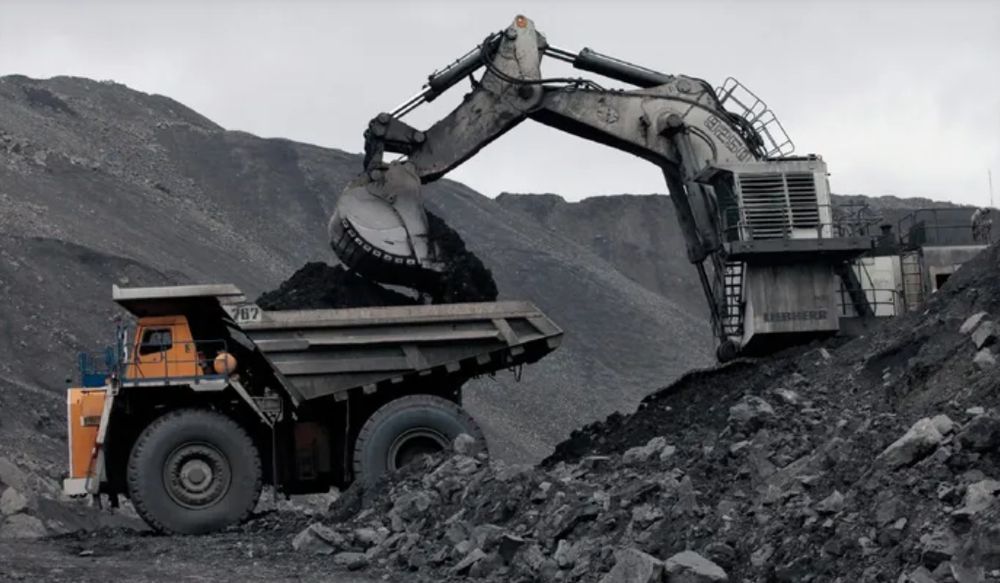
Indian critical minerals producer Lohum is pursuing nickel mines in Indonesia and the Philippines, but the acquisition drive is really a proxy for a far larger story: India’s attempt to build a domestic, mine-to-manufacturing supply chain for electric vehicle batteries, one that no longer depends on Chinese processing.
Founder and chief executive Rajat Verma has set out plans to increase Lohum’s nickel production capacity tenfold, from 1,000 to 10,000 metric tonnes a year, within 18 months. Crucially, that expansion isn’t only about extraction. Lohum currently produces its nickel entirely by recycling, at its Gujarat plant, and Verma has been candid that the target reflects an ambition to build supply-chain scale rather than a finished production figure. Access to a quality overseas mine, he said, could push the eventual capacity even higher. To fund the plan, the company is seeking to raise around 30 billion rupees (roughly $315 million) through a mix of equity and debt, and is already in talks with investors it has declined to name.
What makes this a manufacturing story, not just a mining one, is what Lohum is building around the minerals. In Uttar Pradesh, the company is commissioning a 5,000-tonne-a-year cathode active material plant by March, one of the higher-value manufacturing steps in the battery chain that has historically been dominated by Chinese firms. Alongside it, Lohum is constructing a rare earth magnet plant with 1,200 tonnes of annual capacity, addressing another link in the chain where China’s grip on refining, rather than raw deposits, gives it outsized global leverage. The company is also scouting for rare earth sources across Southeast Asia to feed that facility.
Lohum’s ambitions extend beyond nickel and magnets. Earlier this month it became the first Indian company to ship lithium ore from an overseas asset, having secured rights to ten lithium mining blocks in Zimbabwe with estimated reserves of 30 to 40 million tonnes. The plan is to process that ore into lithium sulphate on-site before shipping it to India, where it will be refined into battery-grade lithium carbonate, again pushing value-added manufacturing onto Indian soil rather than exporting raw material for processing elsewhere. A lithium-ion battery-recycling plant under construction in Sharjah, in partnership with the UAE government, rounds out a strategy that spans extraction, processing, cell-material manufacturing and end-of-life recycling.
The timing is pointed. India is racing to expand renewable energy and EV adoption to sustain its economic growth, and is acutely aware that its manufacturing ambitions could stall without secured mineral inputs. That vulnerability has been thrown into sharp relief by recent turmoil in Indonesia’s nickel sector: authorities there have sharply cut this year’s mining quota for Weda Bay, the world’s largest nickel mine, while a fatal fire at a separate Chinese-owned smelter has raised fresh questions over the safety and stability of Indonesian supply. Shanghai nickel futures climbed on the back of the quota cut, underlining how tightly Southeast Asian mine output and Chinese processing capacity remain intertwined, precisely the chokepoint Lohum and, by extension, Indian industrial policy are trying to route around.
Beijing, meanwhile, is tightening its own grip. China has unveiled a two-year plan to consolidate its non-ferrous metals industry, aimed at curbing price wars domestically and pushing producers toward higher-value output, a move likely to reinforce, rather than loosen, its dominance of critical mineral processing in the near term.
For India, the calculus is clear: owning mines abroad matters less than owning the manufacturing steps in between. Lohum’s push into cathode materials, magnets and refining, not just raw nickel and lithium, signals a bet that the real prize in the battery supply chain lies in processing capacity, the very stage where China’s advantage is hardest to dislodge. Whether Lohum can secure financing, close mine acquisitions and hit its construction timelines will be an early test of how quickly India’s broader industrial strategy can translate mineral access into manufacturing self-sufficiency.
Written By:
*Chloe Maluleke
Associate at BRICS+ Consulting Group
Russia & Middle East Specialist
**The Views expressed do not necessarily reflect the views of Independent Media or IOL.
** MORE ARTICLES ON OUR WEBSITE https://bricscg.com/ (https://bricscg.com/)
** Follow @ (https://x.com/brics_daily)brics_daily (https://x.com/brics_daily)on Twitter for daily BRICS+ updates and instagram @brics_daily (https://www.instagram.com/brics_daily?igsh=bmhvbTd0YzA4a2wx)







