
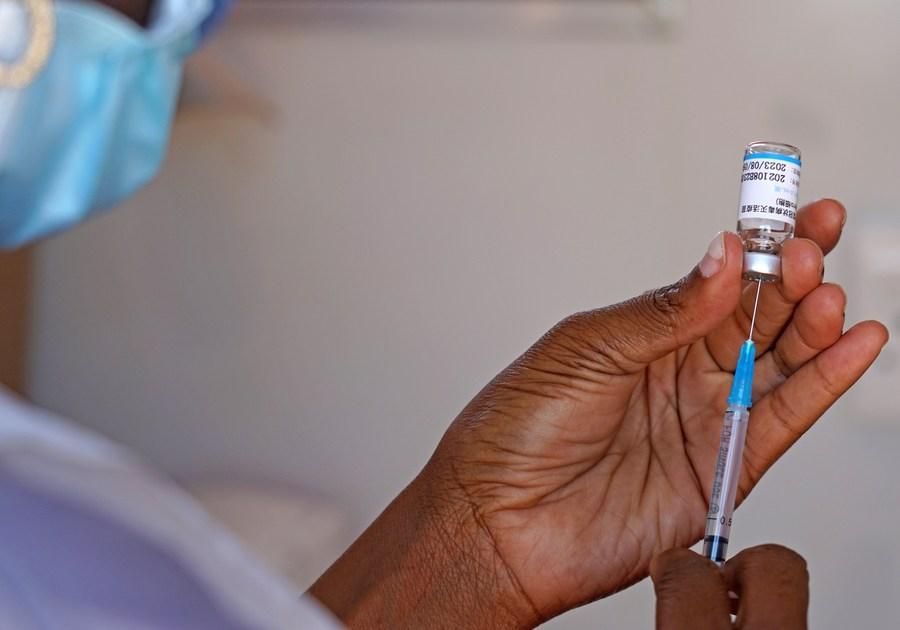
Africa’s ambition to build pharmaceutical self-sufficiency has received another significant boost. Japan has committed KSh3 billion (approximately US$23 million) to support Kenya’s vaccine manufacturing programme, reinforcing Nairobi’s long-term goal of producing vaccines domestically by 2027. While the announcement centres on funding for research infrastructure, regulatory cooperation and scientific capacity, its significance extends far beyond Kenya’s borders.
For BRICS and Global South observers, the investment represents another step towards reshaping Africa’s role in the global health economy. It reflects a growing recognition that health security is no longer solely a public health issue, it is a strategic pillar of economic resilience, industrial development and national sovereignty.
The COVID-19 pandemic exposed the vulnerabilities of Africa’s dependence on imported vaccines. The response since then has been increasingly clear: build local manufacturing capacity, strengthen regional value chains and reduce reliance on external suppliers.
Building Pharmaceutical Sovereignty Through Industrial Development
For decades, Africa has imported the overwhelming majority of its vaccines and pharmaceutical products, leaving many countries vulnerable to global supply chain disruptions and export restrictions. During the COVID-19 pandemic, vaccine inequity highlighted the consequences of this dependence, with many African nations receiving life-saving vaccines months after wealthier countries had secured supplies.
Kenya has since positioned pharmaceutical manufacturing as a strategic national priority rather than simply a healthcare objective.
Japan’s latest financial commitment will support the Ministry of Health, the Kenya Medical Research Institute (KEMRI) and the State Department for Medical Services in strengthening vaccine research, expanding manufacturing capabilities and developing specialised scientific expertise. The programme also supports regulatory cooperation, including the implementation of a reliance process that could accelerate the approval of medicines already authorised in Japan while strengthening oversight of pharmaceutical quality.
Taken together, these initiatives are designed to establish the foundations of a sustainable domestic vaccine industry rather than a single manufacturing project.
This reflects a broader shift taking place across Africa, where governments increasingly view pharmaceutical production as part of industrial policy. Local manufacturing creates highly skilled employment, strengthens research institutions, encourages technology transfer and reduces long-term dependence on imported medical products.
Kenya’s Strategy Aligns with Africa’s Emerging Health Architecture
Japan’s investment complements a series of initiatives that Kenya has launched to position itself as one of Africa’s future vaccine manufacturing hubs.
Earlier this year, Kenya joined the World Health Organization (WHO) and Medicines Patent Pool (MPP) mRNA Technology Transfer Programme, becoming one of six African countries selected to participate in the initiative. The programme enables participating countries to acquire the technical knowledge required to manufacture mRNA vaccines for routine immunisation, malaria, tuberculosis and future pandemic preparedness.
Under the programme, the Kenya BioVax Institute will receive comprehensive technical support spanning research, development and large-scale manufacturing, while infrastructure at its Embakasi facility continues to be upgraded. KEMRI’s involvement as a scientific partner further strengthens the country’s research ecosystem and creates stronger links between laboratory innovation and industrial production.
Importantly, these initiatives are not occurring in isolation.
They form part of the African Union’s wider objective of significantly increasing the proportion of vaccines manufactured on the continent over the coming decades. Institutions such as the Africa Centres for Disease Control and Prevention (Africa CDC), regional development banks and international partners have all identified pharmaceutical manufacturing as essential to strengthening Africa’s long-term health security.
Written by:
*Chloe Maluleke
Associate at BRICS+ Consulting Group
Russia & Middle East Specialist
**The Views expressed do not necessarily reflect the views of Independent Media or IOL.
** MORE ARTICLES ON OUR WEBSITE https://bricscg.com/ (https://bricscg.com/)
** Follow @ (https://x.com/brics_daily)brics_daily (https://x.com/brics_daily)on Twitter for daily BRICS+ updates and instagram @brics_daily (https://www.instagram.com/brics_daily?igsh=bmhvbTd0YzA4a2wx)