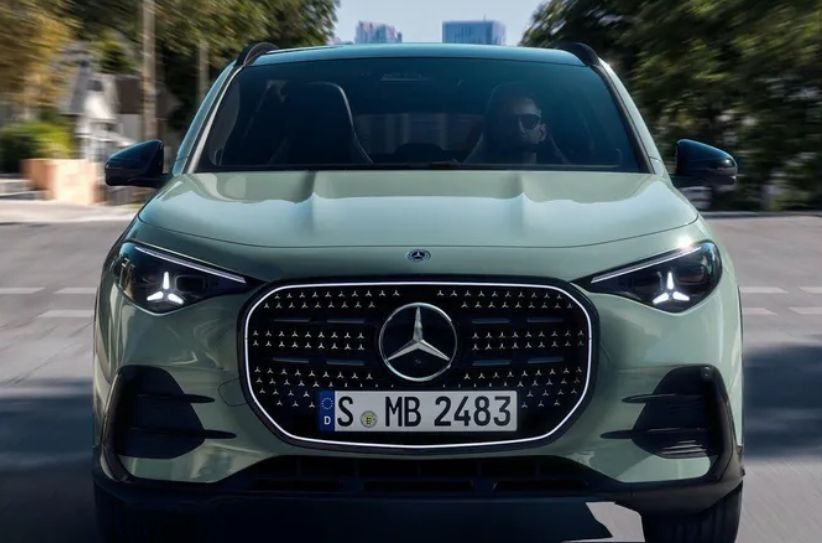

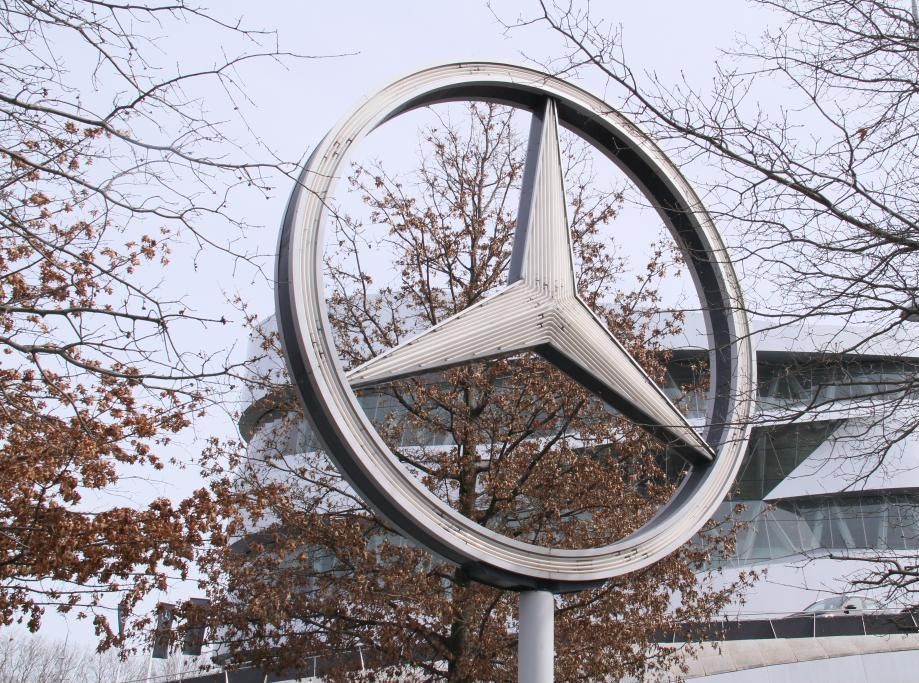
Mercedes-Benz has stopped all investment in its German factories and is now weighing up plant closures. The news, revealed in a memo to workers, is the latest escalation in a crisis that has already shaken Volkswagen and put tens of thousands of jobs at risk. It also shows how quickly a once-unshakeable industry has been forced onto the back foot.
A line in the sand
The premium carmaker says it could not agree with its works council and union representatives on cutting labour costs, so it has frozen spending at its German sites. Production chief Michael Schiebe said management had jointly decided to halt further investment. Board member Britta Seeger added that nobody wants closures, but the option must now be examined more closely.
This was not a bolt from the blue. In September, Schiebe told workers that one German assembly plant and one powertrain plant would have to close if costs could not be reduced, though no sites were named. The IG Metall union replied that threatening closures was no way to shape the future. Analyst Ferdi Dudenhoeffer said the announcement came as little surprise after months of warnings, and that the industry’s future hangs on overhauling its cost structures.
Why Germany costs so much
Mercedes says costs at its plant in Kecskemét, Hungary, run about 70 per cent lower than at its German sites. Wages are part of the story, with one report putting hourly labour costs at roughly $57 in Germany against $18 in Hungary.
The union sees it differently. IG Metall argues that labour is a relatively minor part of the cost structure, and that carmakers have focused on propping up share prices rather than investing for the long term. Those competing explanations help to show why the talks are proving so difficult.
The China squeeze
For years, China was the profit engine for German carmakers. No longer. Mercedes cut its 2026 profit forecast this summer after sales in China fell by about 30 per cent. It also lost around $1.1bn to US tariffs in 2025.
Meanwhile, Chinese brands are pushing cheaper electric and hybrid cars into Europe. Their share of the European market reached 11 per cent in July. German manufacturers are being squeezed from both sides: weaker sales in their biggest growth market and fiercer competition at home.
A spreading problem
Mercedes is far from alone. Volkswagen faces plans that could cost 100,000 jobs and close up to four German plants. Its talks with IG Metall begin on 24 November, with strikes possible around the new year. Supplier Schaeffler has said it will cut 3,460 jobs and close five European sites, four of them in Germany, blaming weak demand for combustion-engine cars. Stellantis has also warned of rising costs over at least the next year.
The wider numbers are sobering. Germany’s auto industry shed 42,300 jobs in the year to June, taking employment to its lowest level since 2005. Roland Berger warns that at least 200,000 automotive jobs could go by 2030. The industry body VDA expects 225,000 to disappear by 2035. When Ford closed its Saarlouis plant last November, 4,500 people lost their jobs, a reminder of what these decisions mean for a single town.
The road ahead
Germany built its reputation on engineering excellence, but excellence alone no longer protects margins. For drivers, the effects may be slow but real: fewer German-built models, more production in places such as Hungary, the US and China, and more Chinese badges on British and European roads. The industry must now prove it can cut costs without losing the skills and brands that made it great.
Written by:
*Chloe Maluleke
Associate at BRICS+ Consulting Group
Russia & Middle East Specialist
**The Views expressed do not necessarily reflect the views of Independent Media or IOL.
** MORE ARTICLES ON OUR WEBSITE https://bricscg.com/ (https://bricscg.com/)
** Follow @ (https://x.com/brics_daily)brics_daily (https://x.com/brics_daily)on Twitter for daily BRICS+ updates and instagram @brics_daily (https://www.instagram.com/brics_daily?igsh=bmhvbTd0YzA4a2wx)