What the ranking says
The index scores 31 countries on 20 metrics across four pillars: economic performance and potential, market accessibility and innovation, the investment climate, and social and human development. RMB attributes Morocco’s rise to “years of successful industrialisation, export diversification and infrastructure investment”. It credits South Africa with deep financial markets, improving energy security and reform momentum, but says slower growth has cost it its place.
The growth gap is stark. Morocco’s economy grew 4.9% in 2025 against South Africa’s 1.1%, and Moroccan inflation stayed below 3% from 2024 to mid-2026, while South Africa averaged 5% over the five years to June. The ranking measures relative attractiveness, not actual investment received.
The car factory effect
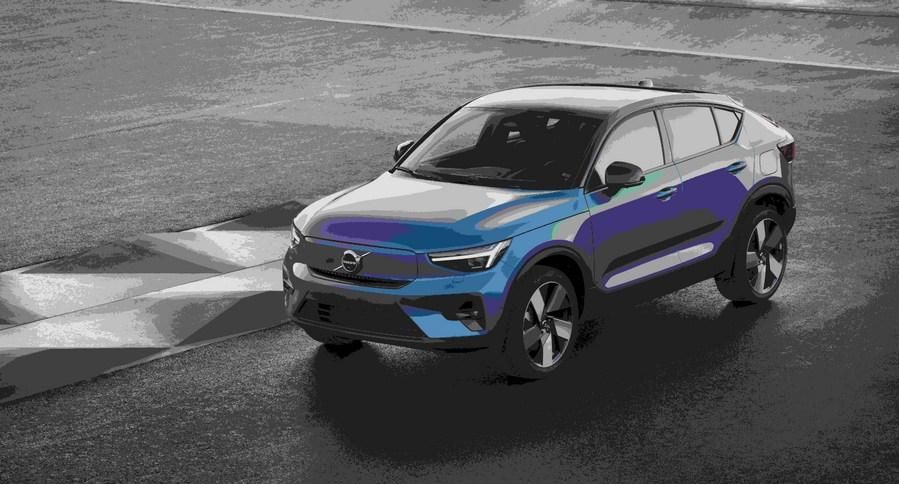
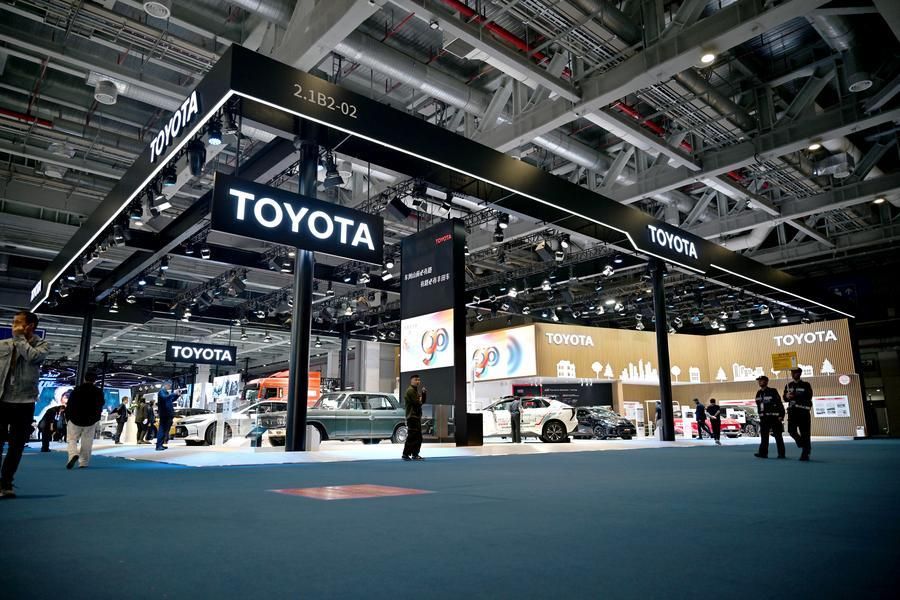
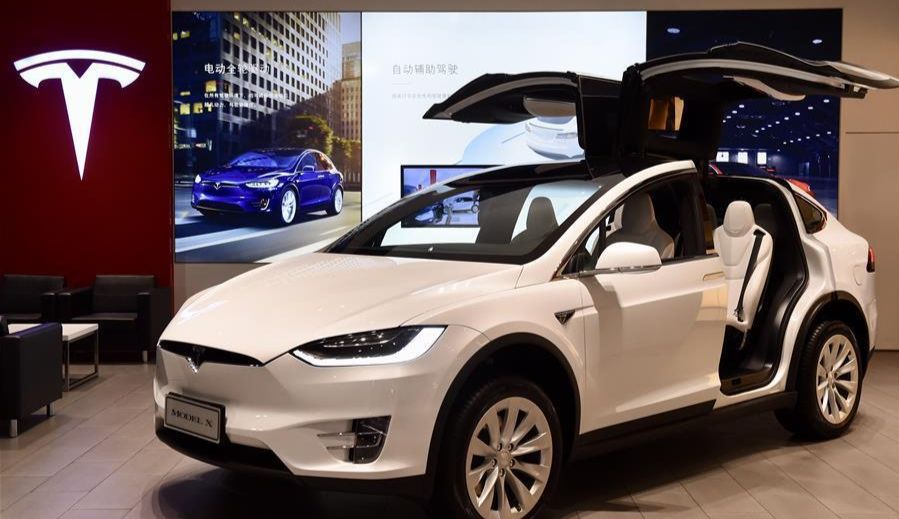
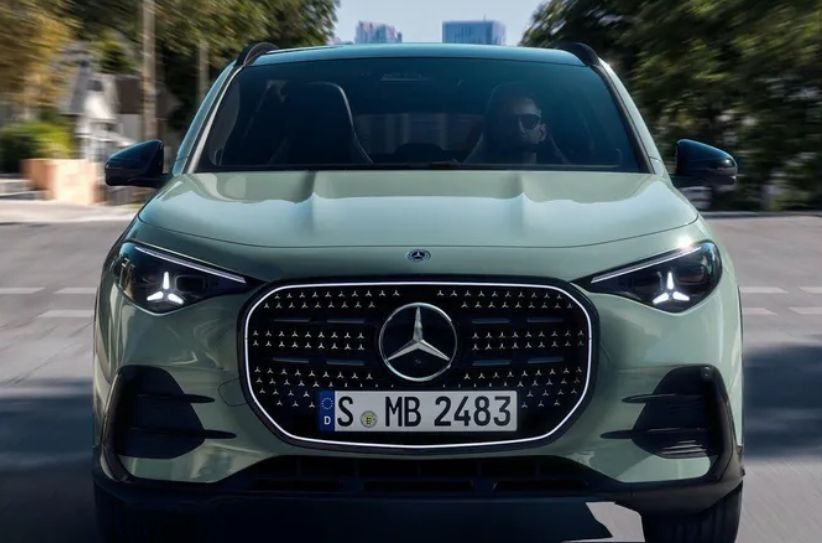
Morocco’s industrial case rests on vehicles. In 2025 it produced more than one million cars, overtaking South Africa, whose output was about 596,818 units, which makes Morocco roughly 1.7 times larger by my arithmetic. Two giants anchor that: Renault, whose Tangier and Casablanca plants built 394,474 vehicles in 2025 and exported 82% of them to 63 markets, and Stellantis at Kenitra, ramping towards 535,000 vehicles a year. More than 270 local suppliers support them, and Renault aims for 80% local integration by 2030. Automotive is now Morocco’s leading export sector, with nearly €15 billion projected for 2025.
The model has a weak point: it depends on Europe. France, Spain, Italy and Germany are the main destinations, and Renault Morocco’s output actually fell 5% in 2025 from the previous year’s record.
Money and macro: strong, but uneven
Foreign investment is rising, though not in a straight line. UNCTAD reports FDI inflows of $3.33 billion in 2025, up 91%, and Morocco’s Office des Changes shows net inflows of MAD 29.47 billion (about $3.2 billion) in the first seven months of 2026, up 58.5%. Earlier in the year the picture was weaker, with net inflows down 8.3% at the end of March, so the annual trend is still being established.
The macro story is also softening at the edges. Bank Al-Maghrib cut its 2026 growth forecast to 4.4% in September from 5.6% in March, and expects growth to slow to 2.9% in 2027. The IMF also projects 4.4% growth for 2026. Part of the 2025 surge came from an agricultural rebound and infrastructure spending, which are less repeatable than factory output. Unemployment fell to 9.5% in the second quarter, but it is 11.9% in urban areas, and the IMF has flagged persistent unemployment as a challenge.
The lesson for South Africa
South Africa has not lost its advantages. RMB notes its capital markets and energy reforms, and its sovereign rating, though improved, remains below investment grade. But the contrast is instructive. Morocco spent two decades building a supplier ecosystem around a few anchor investors, with ports, rail and industrial zones aimed at export. South Africa’s automotive sector still has scale, but it is being outproduced by a country that started from almost nothing.
The takeaway for policymakers is that investment rankings follow output, and output follows predictable infrastructure and growth. A one-place move on an index matters less than the trend behind it, and for South Africa the trend is slower growth while a northern rival industrialises.
Written by:
*Sesona Mdlokovana
Associate at BRICS+ Consulting Group
Africa Specialist
**The views expressed do not necessarily reflect the views of IOL.
** MORE ARTICLES ON OUR WEBSITE https://bricscg.com/ (https://bricscg.com/)
** Follow @ (https://x.com/brics_daily)brics_daily (https://x.com/brics_daily)