
Google’s latest investment drive signals more than an expansion of its African footprint. It reflects a strategic shift in how global technology firms view the continent, with South Africa increasingly positioned as the gateway for Africa’s next wave of digital transformation.
Announced at the inaugural Google Cloud Summit in Johannesburg, the technology giant revealed that it has surpassed its five-year commitment to invest US$1 billion across Africa. The new phase includes investments in cloud infrastructure, artificial intelligence (AI), digital connectivity, entrepreneurship and skills development, with South Africa at the centre of this strategy.
Building the infrastructure for an AI economy
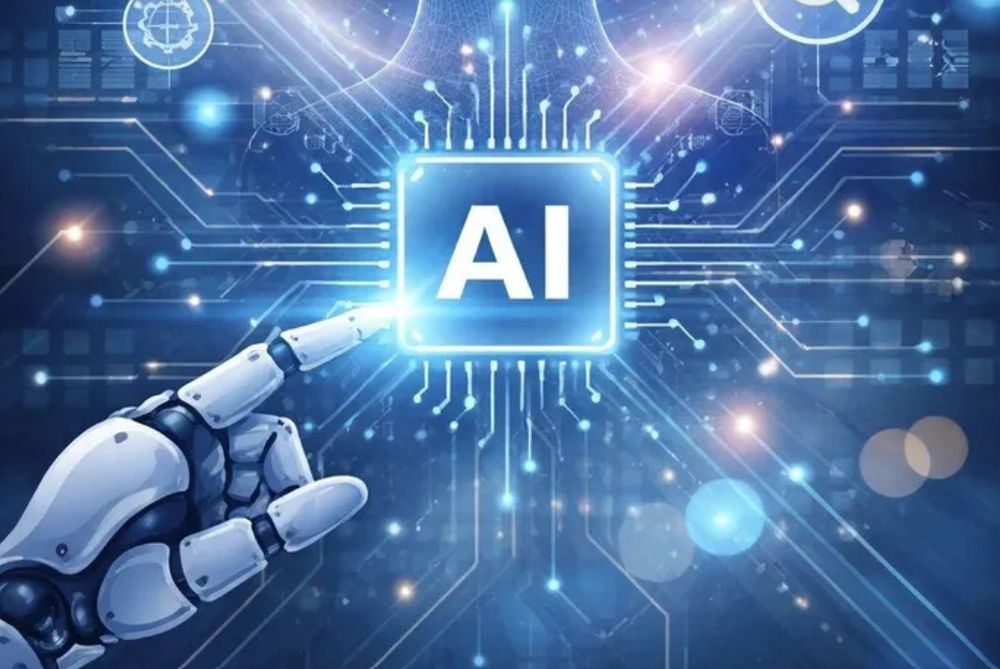
Google’s investments go far beyond expanding internet access. They represent the foundations of an AI-driven economy.
Among the flagship projects is a new connectivity hub in the Eastern Cape, the first of four planned across Africa. The facility will strengthen international data routes through the Umoja subsea cable while improving network resilience for businesses and governments increasingly reliant on cloud computing. Google also announced funding for a digital innovation centre in Soweto and expanded support for African startups through its accelerator programme, reinforcing the importance of local innovation alongside physical infrastructure.
The strategy mirrors approaches adopted in regions such as India and Southeast Asia, where investments in digital infrastructure have created ecosystems that attract startups, multinational firms and venture capital. Rather than treating Africa solely as a consumer market, Google appears to be positioning the continent as a future producer of AI-enabled products and services.
Why South Africa matters
South Africa offers several advantages that few African economies can match. It hosts the continent’s largest cloud market, a sophisticated financial system, internationally recognised universities and a mature regulatory environment. These assets make it a natural testing ground for advanced cloud services and AI applications before wider deployment across Africa.
The country’s digital infrastructure is already among Africa’s strongest, while its growing data centre industry provides the computing capacity required for AI development. This gives South Africa an opportunity to become not only a regional technology hub but also a centre for AI research, digital entrepreneurship and high-value employment.
President Cyril Ramaphosa has argued that cloud computing and AI should become engines of inclusive growth, supporting sectors ranging from healthcare and education to agriculture, transport and energy management. If implemented effectively, these technologies could improve productivity while helping governments deliver more efficient public services.
Opportunity must be matched by inclusion
The announcement comes as Africa’s digital economy is projected to expand rapidly over the coming decade. Yet infrastructure alone will not determine success. The continent continues to face significant shortages in advanced digital and AI skills, limiting its ability to fully benefit from technological investment. Google itself has identified talent development as one of Africa’s most pressing challenges, with AI expertise increasingly becoming a prerequisite for economic competitiveness.
This is where Google’s emphasis on skills development and startup support becomes particularly significant. By combining infrastructure with investment in entrepreneurs and digital education, the company is attempting to cultivate an innovation ecosystem rather than simply expanding its commercial operations.
For South Africa, the challenge is to ensure these investments generate broad-based economic value. Without stronger collaboration between government, universities and the private sector, there is a risk that advanced technologies deepen existing inequalities instead of reducing them.
Google’s latest commitments ultimately represent more than corporate expansion. They are a vote of confidence in Africa’s digital future and an acknowledgement that the continent’s next competitive advantage may lie not beneath its soil, but in its talent, innovation and ability to build the technologies that will shape the global economy.
Written by:
*Sesona Mdlokovana
Associate at BRICS+ Consulting Group
Africa Specialist
**The Views expressed do not necessarily reflect the views of Independent Media or IOL.
** MORE ARTICLES ON OUR WEBSITE https://bricscg.com/ (https://bricscg.com/)
** Follow @ (https://x.com/brics_daily)brics_daily (https://x.com/brics_daily)on Twitter for daily BRICS+ updates and instagram @brics_daily (https://www.instagram.com/brics_daily?igsh=bmhvbTd0YzA4a2wx)