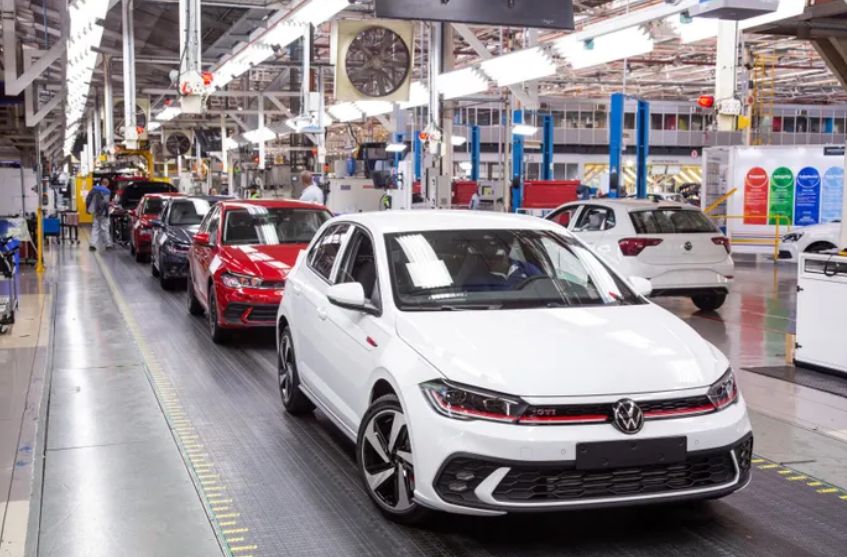

The immediate challenge is straightforward. Factory owners report workforce losses of between 12% and 19%, leaving sewing lines understaffed and production targets increasingly difficult to meet. Many of the workers who left occupied skilled positions developed through years of experience in garment manufacturing. Replacing them has proven far more difficult than many expected.
More than an immigration story
The situation is often framed as an immigration issue, but the reality is more complex.
South Africa’s clothing industry has been under pressure for years. Competition from low-cost imports, rising operating expenses and changing global supply chains have squeezed profit margins. To remain competitive, many factories have relied on low-wage labour models that increasingly attracted migrant workers willing to accept difficult working conditions.
The departure of these workers has exposed an uncomfortable reality. The challenge is not simply finding employees. It is finding workers willing to perform demanding jobs at current wage levels.
Trade unions and labour analysts argue that the problem is less about skills shortages and more about compensation and working conditions. If jobs remain unattractive to local workers, vacancies may persist regardless of immigration policy.
Why this matters for South Africa
Manufacturing remains one of the most important sectors for creating large-scale employment, particularly for workers without advanced qualifications. Unlike highly automated industries, clothing manufacturing can absorb significant numbers of workers, making it a crucial source of jobs in regions where unemployment remains high.
The irony is that disruptions intended by some to protect South African jobs may ultimately place those same jobs at risk.
If factories cannot maintain production schedules, retailers may shift orders elsewhere. Some factory owners have already warned that continued labour shortages could lead to downsizing or closures. In an industry already competing against manufacturers in Asia and other lower-cost regions, prolonged instability can have lasting consequences.
South Africa has seen similar dynamics before. When industries lose competitiveness, regaining lost production and market share can take years. Once buyers establish alternative supply chains, they rarely return quickly.
A regional issue, not just a national one
The story also highlights the interconnected nature of African economies.
Many migrant workers in South Africa come from neighbouring countries such as Zimbabwe, Mozambique, Malawi and Lesotho. Their earnings support families, communities and local economies across Southern Africa through remittances. When migration flows are disrupted, the effects extend beyond South Africa’s borders.
This is particularly significant for the Southern African Development Community (SADC), which promotes regional economic integration and labour mobility. The movement of workers across borders has long been a feature of Southern Africa’s economy, particularly in mining, agriculture and manufacturing.
The current situation raises difficult questions about how countries can balance legitimate concerns around immigration management with the economic realities of regional labour markets.
The bigger lesson
Perhaps the most important lesson is that economic challenges rarely have simple solutions.
South Africa’s unemployment crisis is real, as are concerns about economic inclusion and access to jobs. However, research consistently shows that migrants often fill gaps in sectors where employers struggle to recruit and retain workers. Their contribution extends beyond labour itself, supporting production, consumption and economic activity.
The difficulties facing clothing factories illustrate how modern economies depend on complex networks of workers, businesses and regional relationships. Removing one part of that system can create consequences that spread far beyond the original issue.
For South Africa, the challenge is not simply replacing workers who have left. It is creating a manufacturing sector that offers competitive wages, attracts local talent and remains globally competitive. Without addressing those underlying issues, labour shortages may prove to be only one symptom of a much larger problem.
The struggles in Newcastle are therefore about more than clothing factories. They are a reminder that sustainable industrial growth depends not only on protecting jobs, but also on creating conditions that make those jobs worth taking in the first place.
Written by:
*Sesona Mdlokovana
Associate at BRICS+ Consulting Group
Africa Specialist
**The Views expressed do not necessarily reflect the views of Independent Media or IOL.
** MORE ARTICLES ON OUR WEBSITE https://bricscg.com/ (https://bricscg.com/)
** Follow @ (https://x.com/brics_daily)brics_daily (https://x.com/brics_daily)on Twitter for daily BRICS+ updates and instagram @brics_daily (https://www.instagram.com/brics_daily?igsh=bmhvbTd0YzA4a2wx)