

An unfunded mandate, honestly disclosed
Director-General Tommy Makhode did not dress up the numbers. Briefing Parliament’s home affairs committee, he was candid: "We have not budgeted for this… repatriations are not provided for in terms of our legislative frameworks." That is an unusual degree of transparency from a government department, and it matters. South Africa is not quietly absorbing the cost and hoping nobody notices, it is putting the figure on record, informing Parliament, and pursuing every legitimate avenue, including engagement with the National Treasury, before asking its own citizens to shoulder a bill of this size.
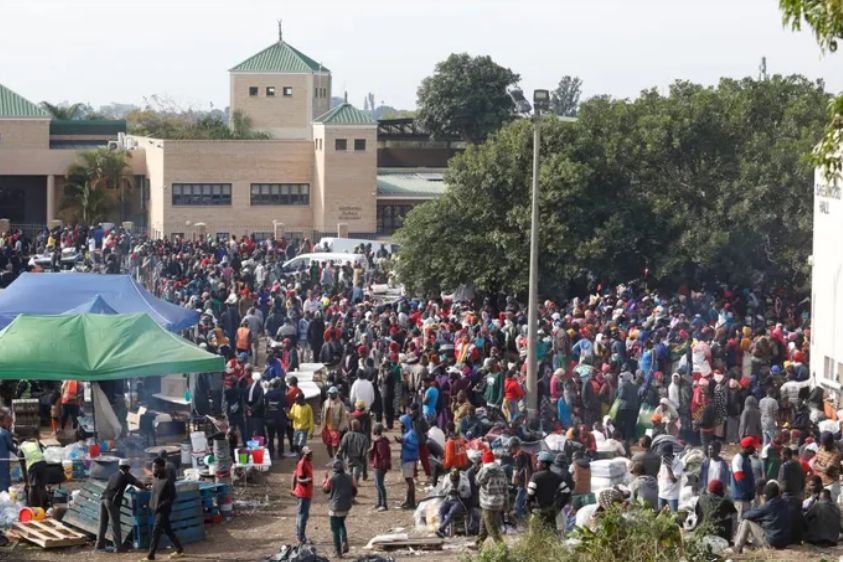
The scale explains the strain. Home Affairs recorded 82,875 people processed for deportation or repatriation by early August; the Border Management Authority counted closer to 90,000 through official ports of exit. Whichever figure is used, it is more than five times what the department’s existing deportation allocation was built for. Municipalities such as eThekwini and Cape Town had to be reimbursed simply for the buses they supplied. This was never going to be cost-neutral, and pretending otherwise would have been dishonest budgeting.
Precedent exists, South Africa is not inventing a new rule
Critics may call the request diplomatically awkward, and it is. But cost-sharing in migration is an established, not a novel, principle. The European Union’s readmission agreements routinely include financial and logistical components tied to the country of origin’s cooperation. Bilateral repatriation arrangements elsewhere in the world, from Gulf labour-sending states to Southeast Asia frequently apportion transport and processing costs between origin and host governments. South Africa asking Lilongwe, Abuja and Addis Ababa to share the cost of returning their own nationals is well within accepted international practice; it simply has not been common within Africa itself, largely because intra-African migration has rarely reached this administrative scale at once.
A fair ask amid genuine strain
South Africa’s position deserves context. Unemployment sits near 30 percent, and public services in several provinces are under real pressure,concerns that are not manufactured, even if some protest movements have expressed them in troubling ways that the government has rightly not endorsed. Ghana’s push to place the matter on the African Union’s agenda was declined by the AU itself, suggesting the continental body did not see grounds for censuring Pretoria’s conduct. South Africa has also denied accusations that it failed to protect foreign nationals, and has taken legal and administrative steps including court-ordered restrictions on vigilante groups that show it is not indifferent to abuses when they occur.
The diplomacy still matters
None of this means the request will land easily. Nigeria has summoned South Africa’s acting high commissioner over separate concerns, and no government has yet responded to the reimbursement letters. Getting neighbours to pay will likely take patient, quiet diplomacy rather than public pressure. But the underlying claim is sound: a state that spends nearly R300 million on an unbudgeted, unprecedented repatriation operation is entitled to ask the countries that benefit from their citizens’ safe return to help carry the cost. Disclosing the bill honestly, rather than burying it, is the responsible move and other African governments engaging constructively, rather than treating the request as an affront, would be the fairer response in return.
Written by:
*Sesona Mdlokovana
Associate at BRICS+ Consulting Group
Africa Specialist
**The Views expressed do not necessarily reflect the views of Independent Media or IOL.
** MORE ARTICLES ON OUR WEBSITE https://bricscg.com/ (https://bricscg.com/)
** Follow @ (https://x.com/brics_daily)brics_daily (https://x.com/brics_daily)on Twitter for daily BRICS+ updates and instagram @brics_daily (https://www.instagram.com/brics_daily?igsh=bmhvbTd0YzA4a2wx)