
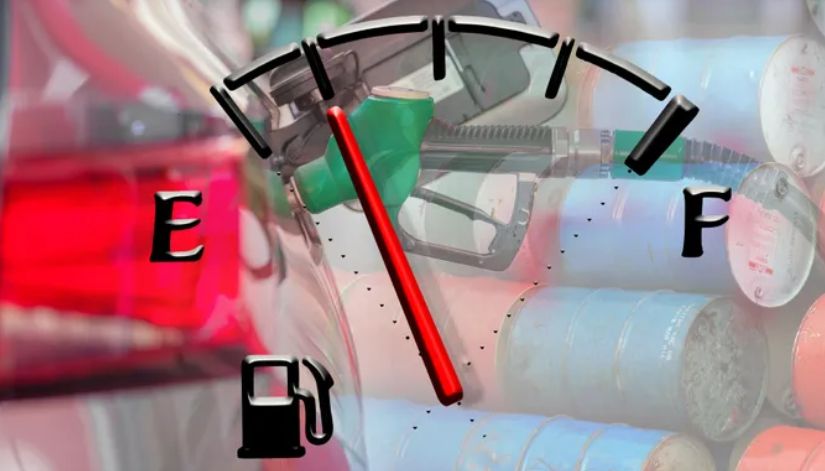
An External Shock Meeting an Internal Deadline
The proximate cause is genuinely external. Renewed US and Iranian strikes since the start of September have pushed Brent crude from $90 to $97 a barrel, up from a low of $70 in July, while the Russia-Ukraine war continues to squeeze global supply through Ukrainian strikes on Russian refining capacity. Markets are also watching for details of an Iranian shipping arrangement with Oman covering the Strait of Hormuz, through which roughly a fifth of the world’s oil transits, any disruption there tends to move prices faster than almost any other single geopolitical variable.
But South Africa’s exposure to that shock is compounded by domestic policy timing. In April and May, National Treasury cut the General Fuel Levy by R3.00 a litre for petrol and R3.93 for diesel specifically to cushion households from the same Middle East-driven spike. That relief was phased out in stages through June and fully reversed by 1 July, restoring the levy to R4.10 a litre for petrol and R3.93 for diesel. Combined with the Road Accident Fund levy of R2.25 a litre, motorists now pay upward of R6 in tax alone on every litre of fuel,a levy structure that, as PwC has noted, generates close to R100 billion a year for the fiscus and is rarely reduced once restored to full strength. The result is that South Africans are absorbing an international oil shock and a full domestic tax reinstatement simultaneously, with no remaining cushion between them.
A Familiar Pattern, With an Unfamiliar Twist
Fuel-driven cost-of-living shocks are not new to South Africa, but this one differs from the last major comparable event in an important way. During the 2022 oil-price surge that followed Russia’s invasion of Ukraine, many governments, including South Africa’s, leaned on temporary levy cuts to blunt the impact, with the general fuel levy frozen for several years afterward specifically because fuel prices remained elevated. This time, the relief was withdrawn before global conditions actually normalised, rather than after. It is a subtler version of what some oil-importing economies did in the 1970s energy crisis, when governments that removed price supports too early , assuming a shock was temporary ended up compounding inflation just as global prices spiked again. South Africa’s petrol price has effectively grown from 21.1 cents a litre in January 1976 to a projected R28.85 next month, an increase Statistics South Africa figures put at roughly 12,470% over five decades, but the speed of the current run-up, doubling the emergency-relief cushion’s worth in a matter of months, is what sets 2026 apart from the more gradual inflationary creep of prior decades.
Why the Ripple Effects Reach Further Than the Pump
The knock-on effects are already visible. South Africa moves more than 80% of its freight by road, meaning a diesel spike of this scale flows almost immediately into food and retail prices, particularly for imported staples. Discovery Insure data from earlier in the year showed South African motorists cutting fuel purchases by as much as 35% and total distance travelled by nearly 10% during a previous price spike, not thrift, but rationing, in an economy where an estimated 40 million people live near or below the poverty line. The South African Reserve Bank, already reluctant to cut interest rates given persistent inflation pressure, now has even less room to manoeuvre.
None of this means October’s increase was avoidable in any simple sense Middle East conflicts and Strait of Hormuz risk are not variables Pretoria controls. But the decision to fully unwind the fuel levy relief precisely as global oil markets re-ignited was a policy choice, not an act of geopolitics, and it is the difference between absorbing one shock and absorbing two at once.
Written by:
*Dr Iqbal Survé
Past chairman of the BRICS Business Council and co-chairman of the BRICS Media Forum and the BRNN
*Sesona Mdlokovana
Associate at BRICS+ Consulting Group
Africa Specialist
**The Views expressed do not necessarily reflect the views of Independent Media or IOL.
** MORE ARTICLES ON OUR WEBSITE https://bricscg.com/ (https://bricscg.com/)
** Follow @ (https://x.com/brics_daily)brics_daily (https://x.com/brics_daily)on Twitter for daily BRICS+ updates and instagram @brics_daily (https://www.instagram.com/brics_daily?igsh=bmhvbTd0YzA4a2wx)