
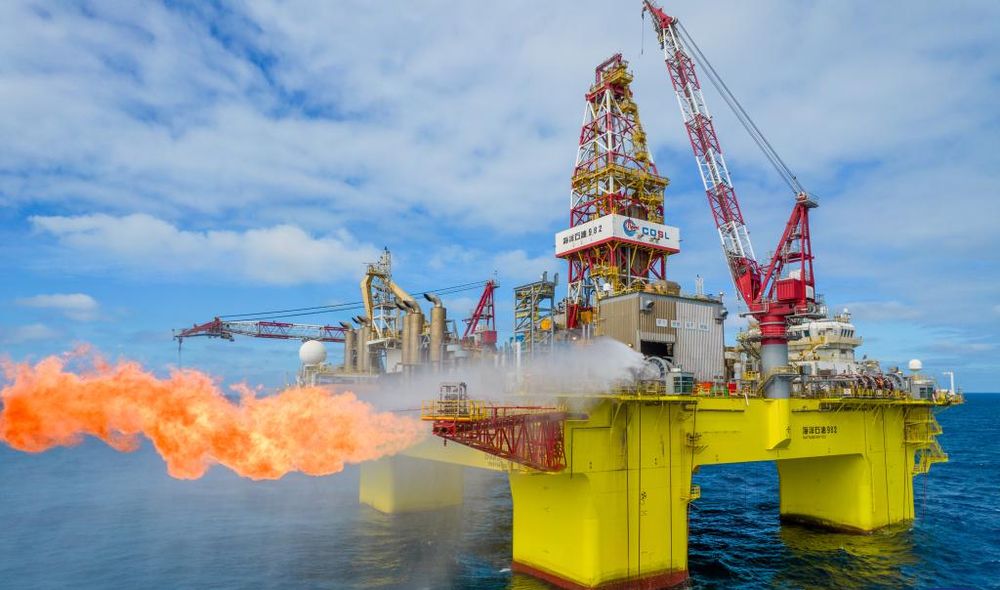
The world is facing what some may call the worst energy crisis in recent memory. The scale of disruption is already severe and could worsen if current conditions persist. Compared to previous oil crises, this shock exceeds oil price but a dramatic reduction in supply restraining both consumers and global markets.
In a rapid change of events, particularly at the Strait of Hormuz, the world sees what many call the worst energy shock in recent history.
The Scale of the Crisis
Int he past, the 1973 oil embargo and Suddam Hussein’d 1990 invasion of Kuwait, saw losses of around 3 to 5 million barrels of oil per day, the current situation has cut 12 to 13 million barrels per day.
“It’s at least twice, possibly three times as bad.”
~ Robin Mills, CEO of Qamar Energy
Physical infrastructure damage, such as the recent attack on Qatar’s largest gas field, compounds the problem, creating long-term supply challenges.
While crude oil prices have not yet quadrupled as they did in 1973, real-world demand is pushing the cost of immediate deliveries above $130 per barrel. The financial market may indicate moderate price increases, but considering urgent cargo, the premium is much higher.
Looking at the day-to-day presure for households in the UK. Petrol prices have surged, leveraging around £1.50 per litre and diesel £1.80. For their daily commute, price hikes significantly increase the cost of monthly travel. The knock on effects extends to food, flights, and other essential goods, all affected by supply chain disruptions.
Accumulation Effect, Future Prices and Strategic Risk
Even when the hostilities do end. Every month of lost production represents millions of barrels that will need replenishing, keeping demand, and prices, high. Refineries and governments will have no alternative but to rebuild strategic reserves, which will prolongue market pressure. Oil prices may be elevated for the foreseeable future as geopolitical effects in the gulf persists.
The United States and Iran could come to an agreement transforming the Strait of Hormuz into a toll booth, allowing payments for passage based on geopolitical and policy considerations. Even when this occurs. Consumer price increasese would be modest though the strategic implications for the Gulf states remain to be profound.
Electric Vehicles and Policy Considerations
The increase of fuel prices renewed interest in EVs, which may very well mitigate the affordability barrier which serves as an obstacle to fully embracing EV technologies. For the government, road tax adjustments and EV grant reductions, slow mass adoption.
Current government guidance whispers calm and caution. Tax cuts on fuel as a mitigating effect provides short-term relief, risking the encouragement of unnecessary consumption rather than promoting savings and efficiency.
In the UK, gas storage remains limited, though domestic production and imports mitigates some risk. Nonetheless, oil remains a critical concern, as shortages and price hikes affect both travel and economic activity as a whole.
Global Implications
Airlines are likely to see higher costs and fewer flights, but the impact will ripple through global supply chains, industries, and everyday households, who will all feel the effects together. This highlights just how connected energy markets are, when problems arise in one place, they can quickly affect people and businesses all over the world.
What makes this energy shock different is not just how big it is, but the way it mixes supply shortages, damaged infrastructure, and worldwide political tensions. Both everyday people and governments now face tough choices: finding ways to get by right now while also planning for a future that’s more secure and less dependent on others for energy.
Written By:
Cole Jackson
Lead Associate, BRICS+ Consulting Group
Chinese & South American Specialist
**The Views expressed do not necessarily reflect the views of Independent Media or IOL.
** MORE ARTICLES ON OUR WEBSITE https://bricscg.com/ (https://bricscg.com/)
** Follow @ (https://x.com/brics_daily)brics_daily (https://x.com/brics_daily)on Twitter for daily BRICS+ updates and instagram @brics_daily (https://www.instagram.com/brics_daily?igsh=bmhvbTd0YzA4a2wx)